
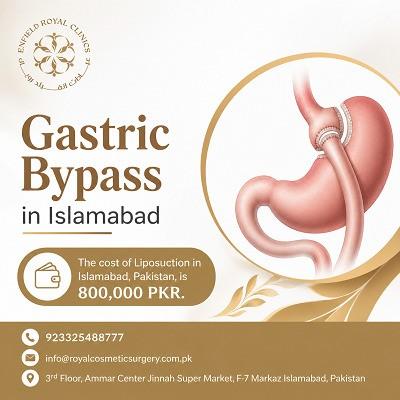
Recovering from gastric bypass surgery is just as important as the procedure itself. While the surgery helps individuals achieve significant weight loss, the recovery period determines how well the body heals and adapts to its new digestive system. Following your surgeon's recommendations, eating the right foods, and gradually returning to daily activities can improve recovery and help you achieve lasting results.
Every patient heals differently, but understanding what to expect during recovery can reduce stress and prepare you for a smoother journey. With the right habits and medical guidance, you can maximize the benefits of gastric bypass surgery while minimizing potential complications.
Understanding Gastric Bypass Recovery:
Gastric bypass surgery changes the structure of the stomach and digestive system, allowing patients to consume smaller meals and absorb fewer calories. After surgery, your body needs time to heal and adjust to these changes.
Patients interested in Gastric Bypass in Islamabad should understand that recovery involves more than physical healing. It also includes learning new eating habits, maintaining hydration, taking supplements, and adopting a healthier lifestyle.
During the first few weeks, it is normal to experience mild discomfort, fatigue, and changes in appetite. These symptoms usually improve as healing progresses.
Follow Your Diet Progression Carefully:
One of the most important recovery tips is following the diet recommended by your bariatric surgeon or nutritionist. Your stomach is much smaller after surgery, so introducing foods gradually helps prevent complications.
The recovery diet usually progresses through several stages:
- Clear liquids
- Full liquids
- Pureed foods
- Soft foods
- Regular healthy meals
Eating too quickly or introducing solid foods too early may cause nausea, vomiting, or discomfort. Always follow your healthcare provider's timeline.
Stay Hydrated Every Day:
Hydration is essential after gastric bypass surgery because dehydration is one of the most common reasons patients require medical attention during recovery.
To stay hydrated:
- Sip water throughout the day.
- Avoid drinking large amounts at once.
- Do not drink during meals.
- Limit sugary and carbonated beverages.
- Aim for the daily fluid intake recommended by your surgeon.
Proper hydration supports healing, digestion, and overall health.
Walk Regularly After Surgery:
Light physical activity helps improve circulation, reduce the risk of blood clots, and promote faster recovery.
Short walks around your home can usually begin soon after surgery. As your strength improves, gradually increase your activity level according to your surgeon's advice.
Avoid lifting heavy objects or participating in strenuous exercise until you receive medical clearance.
Consider Additional Weight Management Support:
Although gastric bypass is highly effective for severe obesity, some individuals may benefit from additional medical weight management options before or after surgery, depending on their individual circumstances.
Patients exploring medically supervised treatments may also ask about Weight loss injection in islamabad to support their overall weight management journey. A qualified bariatric specialist can determine whether these treatments are appropriate based on individual health goals and recovery progress.
Every patient has unique needs, so personalized treatment planning remains essential.
Take Vitamins and Supplements Consistently:
Because gastric bypass reduces nutrient absorption, vitamin and mineral supplements become a lifelong part of recovery.
Your doctor may recommend:
- Multivitamins
- Calcium
- Vitamin D
- Iron
- Vitamin B12
Skipping supplements can increase the risk of nutritional deficiencies, fatigue, anemia, and bone health problems.
Attend regular follow-up appointments to monitor your nutritional status.
Eat Slowly and Chew Thoroughly:
Your new stomach pouch can only hold a small amount of food. Eating too quickly may cause discomfort, nausea, or vomiting.
Helpful eating habits include:
- Take small bites.
- Chew food completely.
- Eat slowly.
- Stop eating when you feel full.
- Avoid distractions while eating.
Mindful eating improves digestion and helps maintain long-term weight loss.
Prioritize Protein Intake:
Protein plays a major role in tissue healing, muscle preservation, and recovery after surgery.
Good protein sources include:
- Lean chicken
- Fish
- Eggs
- Greek yogurt
- Cottage cheese
- Protein shakes recommended by your healthcare provider
Meeting daily protein goals also helps patients feel satisfied for longer periods.
Attend Every Follow-Up Appointment:
Regular follow-up visits allow your bariatric team to monitor weight loss, nutritional health, healing, and overall progress.
These appointments help identify potential complications early and provide opportunities to adjust your diet or supplements when necessary.
Patients who attend routine follow-ups often achieve better long-term outcomes.
Focus on Long-Term Lifestyle Changes:
Gastric bypass is a powerful tool, but maintaining successful results requires lifelong commitment.
Healthy habits include:
- Balanced nutrition
- Regular exercise
- Adequate sleep
- Stress management
- Routine medical checkups
Developing sustainable habits is one of the biggest factors in maintaining weight loss and preventing weight regain.
Signs That Require Medical Attention:
Although recovery usually progresses smoothly, contact your healthcare provider immediately if you experience:
- Persistent vomiting
- Severe abdominal pain
- High fever
- Difficulty swallowing
- Heavy bleeding
- Signs of dehydration
Early treatment of complications can prevent more serious health issues.
Final Thoughts on Gastric Bypass Recovery:
Successful recovery requires patience, consistency, and professional support. Following dietary guidelines, staying active, taking supplements, and attending regular follow-up appointments all contribute to better healing and long-term weight management.
If you are considering bariatric surgery or would like expert guidance throughout your weight loss journey, Royal cosmetic surgery clinic offers personalized consultations and comprehensive care tailored to your needs. With experienced specialists and ongoing support, you can confidently work toward improved health, sustainable weight loss, and a better quality of life.

 Arabic
 French
 Spanish
 Portuguese
 Deutsch
 Turkish
 Dutch
Dutch
 Italiano
 Russian
 Romaian
 Portuguese (Brazil)
 Greek
Greek