
Introduction
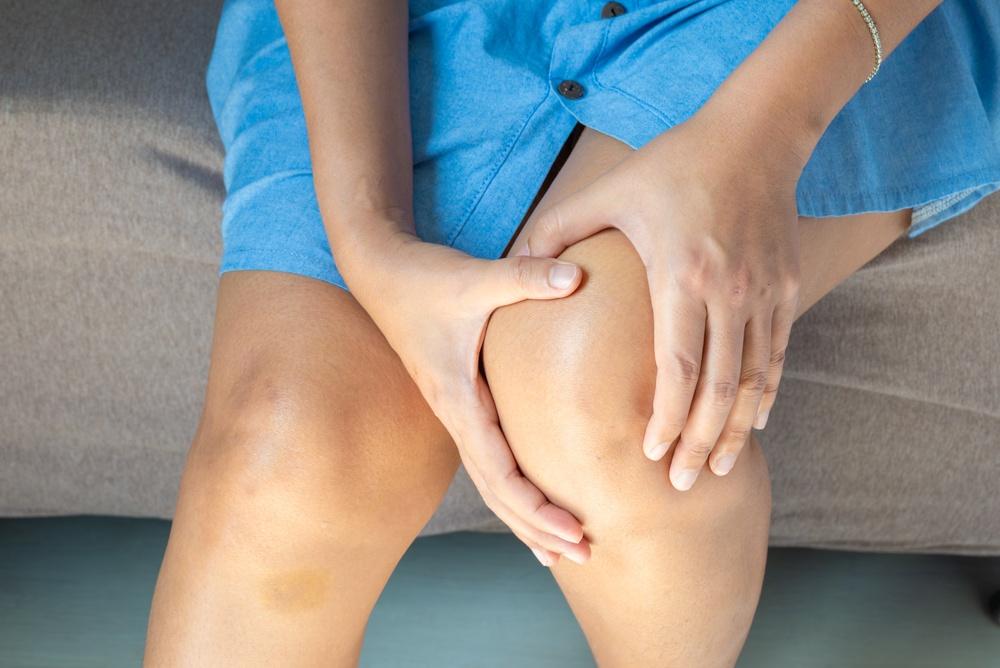
Knee pain is one of the most common joint problems people face as they get older, but it can also affect younger adults due to injury or lifestyle factors. At the center of many knee problems is cartilage loss, which slowly wears down the smooth surface that allows the knee joint to move easily.
In advanced cases, this damage can lead to severe arthritis, including causes of tricompartmental osteoarthritis, where all three compartments of the knee are affected.
Cartilage acts like a cushion between bones. When it wears away, bones begin to rub against each other, leading to pain, swelling, stiffness, and reduced movement. Understanding why cartilage loss happens is important because it can help people take steps to protect their joints and slow down damage.
In this blog, we will look at the main causes of cartilage loss in the knees, how it develops, and what factors increase the risk.
What Is Knee Cartilage and Why Is It Important?
Knee cartilage is a smooth, rubber-like tissue that covers the ends of the thigh bone, shin bone, and kneecap. It allows the knee joint to move without friction.
Its main functions include:
- Reducing friction between bones
- Absorbing shock during movement
- Supporting smooth joint motion
- Protecting bones from wear and tear
When cartilage is healthy, movement feels easy and painless. When it is damaged, even simple activities like walking or climbing stairs can become difficult.
How Cartilage Loss Begins
Cartilage does not contain blood vessels, so it has limited ability to heal itself. Once it is damaged, it does not easily grow back.
Cartilage loss usually starts slowly. Tiny cracks or softening of the tissue can develop over time. As the damage continues, the cartilage becomes thinner and less effective.
Eventually, bone may begin to rub directly against bone, which causes pain and inflammation.
Aging and Natural Wear and Tear
One of the most common causes of cartilage loss is aging.
As people grow older:
- Cartilage becomes thinner
- Water content in cartilage decreases
- Joint flexibility reduces
- Repair ability slows down
This natural wear and tear process is gradual. Many people begin to notice stiffness and discomfort in their knees as they reach middle age or older.
While aging cannot be avoided, its effects on cartilage can be managed with proper care.
Obesity and Excess Body Weight
Carrying extra body weight puts significant pressure on the knees. In fact, every extra kilogram of body weight increases stress on the knee joint during walking and movement.
This leads to:
- Faster cartilage breakdown
- Increased joint inflammation
- Higher risk of osteoarthritis
- More pain during movement
Over time, excess weight can significantly speed up cartilage loss and worsen knee conditions.
Knee Injuries and Trauma
Injuries are another major cause of cartilage damage, especially in younger individuals.
Common knee injuries include:
- Ligament tears such as ACL injuries
- Meniscus tears
- Fractures around the knee
- Direct impact injuries from falls or accidents
Even after healing, these injuries can leave the joint unstable. This instability increases uneven pressure on cartilage, leading to faster wear and tear.
Repetitive Stress and Overuse
People who perform repetitive physical activities are also at higher risk of cartilage loss.
This includes:
- Athletes
- Construction workers
- Factory workers
- People who squat or kneel frequently
Repeated stress on the knee joint can gradually damage cartilage over time, even without a major injury.
Poor Joint Alignment
When the knee joint is not properly aligned, pressure is not distributed evenly across the cartilage.
This can be caused by:
- Bow legs or knock knees
- Congenital joint issues
- Previous injuries that healed incorrectly
Poor alignment leads to uneven wear, which accelerates cartilage loss in certain areas of the knee.
Osteoarthritis and Cartilage Degeneration
Osteoarthritis is one of the most common conditions linked to cartilage loss.
It is a degenerative joint disease where cartilage breaks down over time.
As osteoarthritis progresses:
- Cartilage becomes thinner
- Joint space narrows
- Bone changes develop
- Pain and stiffness increase
In advanced cases, it can affect all compartments of the knee, leading to tricompartmental damage.
Inflammation in the Joint
Inflammation plays a major role in cartilage damage.
Chronic inflammation can be caused by:
- Autoimmune conditions
- Repeated injury
- Untreated joint problems
When inflammation continues over time, it releases chemicals that break down cartilage and reduce its ability to function properly.
Genetics and Family History
Genetics can also influence the risk of cartilage loss.
People with a family history of joint problems may be more likely to develop cartilage degeneration earlier in life.
Genetic factors can affect:
- Cartilage strength
- Bone structure
- Inflammation response
- Risk of osteoarthritis
While genetics cannot be changed, early lifestyle changes can help reduce risk.
Lack of Physical Activity
While too much stress can damage cartilage, too little movement can also be harmful.
A sedentary lifestyle leads to:
- Weak muscles around the knee
- Reduced joint flexibility
- Poor blood circulation to joint tissues
- Increased stiffness
Regular, low impact activity helps keep the joints healthy and supports cartilage function.
Age Related Joint Fluid Changes
The knee joint contains a fluid called synovial fluid, which helps lubricate and nourish cartilage.
As people age:
- The quality of this fluid decreases
- Joint lubrication reduces
- Friction inside the joint increases
This contributes to gradual cartilage wear and stiffness.
Metabolic and Health Conditions
Certain health conditions can also contribute to cartilage loss.
These include:
- Diabetes
- High cholesterol
- Hormonal imbalances
These conditions can affect blood flow, inflammation levels, and tissue health, which indirectly impacts cartilage strength.
Symptoms of Cartilage Loss in Knees
As cartilage wears away, symptoms gradually become more noticeable.
Common symptoms include:
- Knee pain during movement
- Stiffness, especially in the morning
- Swelling around the joint
- Grinding or clicking sounds
- Reduced flexibility
In advanced cases, pain may occur even at rest.
How Cartilage Loss Is Diagnosed
Doctors use several methods to diagnose cartilage damage:
- Physical examination
- X-rays
- MRI scans
- Medical history review
These tools help determine the extent of cartilage loss and guide treatment decisions.
Managing Cartilage Loss
While cartilage cannot fully regenerate, its damage can be managed.
Treatment options include:
- Physical therapy to strengthen muscles
- Weight management
- Pain relief medications
- Anti inflammatory treatments
- Joint injections in some cases
Early management can slow progression and improve quality of life.
Lifestyle Changes to Protect Knee Cartilage
Simple lifestyle changes can help protect knee health.
These include:
- Maintaining a healthy weight
- Staying physically active with low impact exercises
- Avoiding repetitive stress on the knees
- Wearing proper footwear
- Strengthening leg muscles
These steps help reduce pressure on the knee joint and slow cartilage wear.
Conclusion
Cartilage loss in the knees develops due to many factors such as aging, injury, excess weight, inflammation, and joint misalignment. Over time, these factors can contribute to conditions like osteoarthritis, including advanced forms seen in causes of tricompartmental osteoarthritis. Understanding these causes helps people take early steps to protect their joints and reduce long term damage.
While cartilage loss cannot always be reversed, early care and lifestyle changes can slow progression and improve mobility. Patients who want to explore new treatment approaches and contribute to medical advancements may consider opportunities to participate in a knee osteoarthritis clinical trial.

 English
 French
 Spanish
 Portuguese
 Deutsch
 Turkish
 Dutch
Dutch
 Italiano
 Russian
 Romaian
 Portuguese (Brazil)
 Greek
Greek