
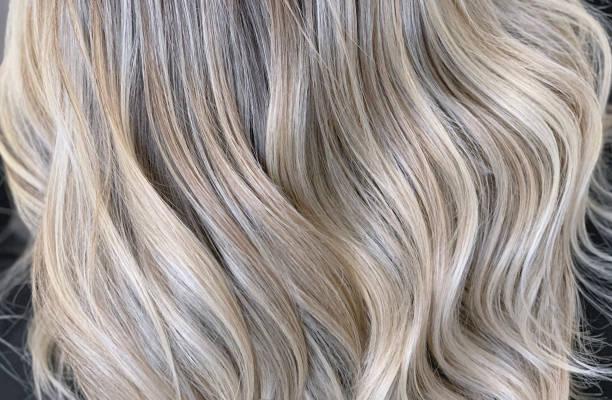
So you've been scrolling through photos of sun-kissed, blended hair for months and you're finally thinking about booking an appointment. Totally get it. But once you start researching, the terminology gets confusing fast. Tape-ins, hand-tied, weft, fusion, balayage versus ombre, color matching, maintenance schedules... it's a lot to take in before you've even picked up the phone. This guide breaks it down in plain terms. If you're looking into Balayage Extensions Solana Beach, here's what you actually need to know before sitting in that chair, from how the color technique works to what your weekly routine will look like afterward.
What Balayage Extensions Actually Are
Balayage is a French word that means "to sweep." That tells you a lot right there. Instead of painting color onto every strand from root to tip in a uniform way, a stylist literally sweeps the color by hand across sections of hair. The result looks like the kind of highlights you'd get from spending a summer outdoors. Natural. Uneven in a good way. No harsh lines.
Now apply that same idea to extension hair. The extensions are pre-colored or painted with that same swept technique before they're applied to your head. So when they blend with your natural hair, the tones flow together rather than sitting in obvious blocks of color. It's the difference between hair that looks done and hair that just looks like yours, only better. Most people can't tell you're wearing extensions at all, which is usually the whole point.
For a deeper look at how hair coloring techniques like this developed over time, the Wikipedia overview of hair coloring is actually worth a quick read if you're curious about the history and chemistry behind it.
The Main Extension Methods and How They Work with Balayage Color
Not all extensions are attached the same way. The method matters because it changes how the color sits, how long the extensions last, and how much maintenance you'll need. Here's a quick breakdown of the four most common options.
- Tape-in extensions are thin wefts sandwiched to your natural hair using adhesive strips. They lie flat, which means balayage color on them blends smoothly with your own hair. They're repositioned every six to eight weeks as your hair grows out.
- Weft extensions are rows of hair sewn or glued along a track. Great for adding volume and length at once. The painted tones work well here because the weft covers a wide section, so the blend looks natural across a bigger area.
- Hand-tied extensions are attached with small knots using a beaded row method. They're lightweight and very flat against the scalp, which makes them popular for finer hair. Balayage color on hand-tied extensions tends to look especially seamless because there's so little bulk.
- Fusion extensions use a keratin bond to attach individual strands. More time-intensive to install, but they move the most like natural hair. The balayage painting on individual strands can be incredibly precise with this method.
Your stylist will help you pick the right one. It depends on your hair's thickness, your lifestyle, and honestly your budget, since installation times vary a lot between methods.
What Happens During the Appointment
First comes the consultation. A good stylist won't just look at a photo you bring in and say "yep, we can do that." They'll look at your actual hair. Your natural color, texture, density, and condition all affect what's possible and what color the extensions need to be painted to match you specifically.
After that, the color matching and any necessary painting happens. Sometimes extensions come pre-colored and just need a slight toning adjustment. Other times they're painted in-house to hit exactly the right tones for your hair. That step alone can take a while, especially if the match needs to be precise. Don't rush it. Getting the color right at this stage is what makes the whole thing look real instead of obvious.
Then comes installation, which varies in time depending on the method. Tape-ins might take an hour. Hand-tied or fusion can take three or four hours. After that, your stylist will cut and blend the extensions into your natural hair so everything falls together as one. That final blending haircut is what people often underestimate. It's not optional.
Who's a Good Candidate (and Who Might Need to Wait)
Honestly, most people with reasonably healthy hair can wear balayage extensions. But there are a few situations where you'd want to pause before booking.
If your hair is heavily damaged, over-processed, or very fine and fragile, extensions can put too much stress on already-struggling strands. The weight of added hair, especially with tape-in or fusion methods, can cause breakage if your natural hair isn't strong enough to handle it. In cases like that, a stylist will usually recommend a treatment plan first. Extensioneslyas is one option people in the area use for this kind of pre-extension consultation, since getting an honest assessment before committing saves you a lot of trouble later.
Color history also matters. If you've recently had a box dye, a relaxer, or a keratin treatment, your stylist needs to know. Those things affect how extensions adhere and how color matches. Not a dealbreaker in most cases, just something to be upfront about during your consultation so there are no surprises.
Good candidates are people with hair in decent condition, natural or color-treated, who want more length, more volume, or a color dimension their natural hair can't easily achieve on its own. That covers a pretty wide range of people, honestly.
How to Take Care of Balayage Extensions
This part matters as much as the appointment itself. Extensions don't behave exactly like your natural hair, so your routine needs to shift a little.
Wash less often than you normally would. Two or three times a week is usually the sweet spot. Overwashing dries out the extension hair, strips the color faster, and can loosen adhesive bonds depending on your method. Use a sulfate-free shampoo and a moisturizing conditioner, but keep conditioner away from the roots and bond points. That's where buildup causes the most problems.
Heat protection is non-negotiable. Extension hair doesn't regenerate the way your natural hair does, so heat damage is permanent on it. Spray a protectant every single time before you use a dryer, flat iron, or curling wand. And try to keep your tools under 380 degrees Fahrenheit. Higher than that and you'll start seeing the color fade and the texture go rough faster than it should.
Toning is part of the upkeep too. Balayage Extensions Solana Beach clients often come back for a gloss or toner every eight to twelve weeks to keep the color looking fresh. The painted tones can go brassy or dull over time, especially with hard water or frequent washing. A quick toning service at the salon brings everything back to life without a full color appointment.
Maintenance visits for the extensions themselves depend on your method, but most people are back in the chair every six to ten weeks for repositioning or reinstallation. Skipping those appointments causes your natural hair to mat or tangle around the bonds. Not fun to fix.
Frequently Asked Questions
How long do balayage extensions typically last?
The extension hair itself can last anywhere from three to twelve months depending on the method and how well you care for it. Tape-ins are usually repositioned every six to eight weeks. Fusion and hand-tied last closer to three to four months before a full reinstall. The color, with proper toning upkeep, can stay looking good for the full life of the extensions.
Will balayage extensions damage my natural hair?
If they're applied correctly and maintained on schedule, they shouldn't cause damage. The risk comes from skipping maintenance appointments, which lets extensions grow too far down and puts tension on your roots, or from starting with hair that's already compromised. A good stylist will tell you honestly if your hair needs to be in better shape before you add extensions.
Can I color or tone my balayage extensions at home?
It's not recommended. Extension hair responds differently to color products than natural hair does, and box dyes or at-home toners can cause unpredictable results. Stick to professional toning services at the salon. If the color starts going brassy between appointments, a purple or blue shampoo used once a week can help slow that down without causing damage.
How do I sleep with balayage extensions in?
Braid your hair loosely or put it in a low ponytail before bed. Sleeping with extensions loose causes friction and tangling, which shortens their lifespan and can rough up the cuticle on the extension hair. A silk or satin pillowcase helps a lot too. It's a small thing but it makes a noticeable difference over time.
Do balayage extensions work on dark natural hair?
Yes, and they often look really striking on darker base colors. The key is making sure the extensions are painted to match the specific tone of your natural hair's ends, not just the color category. A skilled colorist will look at the warmth or coolness in your natural shade and match the balayage tones accordingly so the blend looks intentional rather than mismatched.
The whole process takes some planning, a bit of a routine shift, and a stylist you trust. But for most people, once they've tried a good set of balayage extensions, going back to their natural length feels like a hard sell.

 English
 Arabic
 French
 Spanish
 Portuguese
 Deutsch
 Turkish
 Dutch
Dutch
 Italiano
 Romaian
 Portuguese (Brazil)
 Greek
Greek