
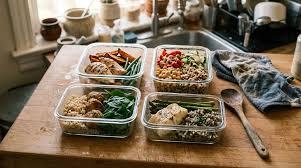
Following a well-balanced fat loss meal plan is one of the most effective ways to lose excess body fat while maintaining energy, muscle mass, and overall health. Unlike fad diets that promise quick results, a sustainable meal plan focuses on nutrient-rich foods, proper portion sizes, and consistent eating habits. When combined with regular exercise and a healthy lifestyle, the right meal plan can help you achieve long-term weight management without feeling deprived.
This guide explains how to build an effective fat loss meal plan, the best foods to eat, foods to avoid, and practical tips to help you stay on track.
What Is a Fat Loss Meal Plan?
A fat loss meal plan is a structured eating plan designed to help your body burn stored fat while providing all the essential nutrients needed for optimal health. The primary goal is to create a moderate calorie deficit by consuming fewer calories than your body burns each day.
A healthy fat loss meal plan emphasizes:
- Lean protein
- Complex carbohydrates
- Healthy fats
- Fresh fruits
- Colorful vegetables
- High-fiber foods
- Plenty of water
Unlike restrictive diets, it encourages balanced nutrition that can be maintained for months or even years.
Benefits of a Fat Loss Meal Plan
Following a structured eating plan offers many advantages beyond simply losing weight.
Promotes Healthy Fat Loss
A calorie-controlled meal plan helps your body use stored fat for energy while minimizing muscle loss.
Helps Maintain Muscle Mass
Protein-rich meals support muscle growth and repair, especially when combined with strength training.
Improves Energy Levels
Balanced meals provide steady energy throughout the day, reducing fatigue and improving productivity.
Reduces Hunger
High-protein and fiber-rich foods help you stay full longer, making it easier to avoid unnecessary snacking.
Supports Overall Health
A healthy diet contributes to better digestion, improved heart health, balanced blood sugar, stronger immunity, and better mental well-being.
Foods to Include in a Fat Loss Meal Plan
Choosing nutrient-dense foods is essential for successful fat loss.
Lean Protein Sources
Protein helps preserve muscle while supporting metabolism.
Include foods such as:
- Chicken breast
- Turkey
- Fish
- Eggs
- Greek yogurt
- Cottage cheese
- Tofu
- Lentils
- Chickpeas
- Black beans
Complex Carbohydrates
Healthy carbohydrates provide long-lasting energy and improve digestion.
Choose:
- Oatmeal
- Brown rice
- Quinoa
- Sweet potatoes
- Whole-grain bread
- Whole-wheat pasta
- Brown rice noodles
Healthy Fats
Healthy fats help regulate hormones and increase satiety.
Excellent choices include:
- Avocados
- Olive oil
- Almonds
- Walnuts
- Chia seeds
- Flaxseeds
- Pumpkin seeds
Vegetables
Vegetables are low in calories but rich in vitamins, minerals, and antioxidants.
Eat a variety of:
- Broccoli
- Spinach
- Kale
- Bell peppers
- Cucumbers
- Cauliflower
- Green beans
- Carrots
- Zucchini
Aim for vegetables at both lunch and dinner.
Fruits
Fresh fruits satisfy sweet cravings while providing essential nutrients.
Great options include:
- Apples
- Oranges
- Strawberries
- Blueberries
- Pears
- Kiwi
- Grapefruit
Sample Fat Loss Meal Plan
Breakfast
- Oatmeal topped with blueberries
- Two boiled eggs
- Green tea
Morning Snack
- Greek yogurt
- Handful of almonds
Lunch
- Grilled chicken breast
- Brown rice
- Steamed broccoli
- Mixed salad with olive oil
Afternoon Snack
- Apple
- One tablespoon natural peanut butter
Dinner
- Baked salmon
- Roasted vegetables
- Sweet potato
Evening Snack
- Cottage cheese
- Fresh berries
This meal plan provides a balance of protein, fiber, healthy fats, and complex carbohydrates to support healthy fat loss.
Why Protein Is Important
Protein is one of the most valuable nutrients for fat loss.
Benefits include:
- Maintains muscle mass
- Helps control hunger
- Supports recovery after exercise
- Boosts metabolism through a higher thermic effect
- Improves body composition
Aim to include a quality protein source in every meal.
Hydration for Fat Loss
Water plays an important role in overall health and weight management.
Drinking enough water may:
- Improve digestion
- Reduce unnecessary hunger
- Increase workout performance
- Support metabolism
- Prevent dehydration
Aim for approximately 2–3 liters of water daily, depending on your activity level.
Portion Control Tips
Even healthy foods should be eaten in moderation.
Helpful strategies include:
- Use smaller plates.
- Eat slowly.
- Fill half your plate with vegetables.
- Measure serving sizes when necessary.
- Avoid eating directly from large food packages.
Mindful eating can significantly improve weight-loss success.
Foods to Limit
Reducing processed foods makes fat loss much easier.
Limit foods such as:
- Sugary drinks
- Cakes
- Cookies
- Candy
- Fried foods
- Fast food
- Potato chips
- White bread
- Sugary cereals
These foods are often high in calories but low in nutritional value.
Meal Prep Tips
Preparing meals in advance helps you stay consistent throughout the week.
Simple meal prep ideas include:
- Cook lean proteins in bulk.
- Prepare brown rice or quinoa ahead of time.
- Chop vegetables for quick meals.
- Store snacks in portion-sized containers.
- Freeze healthy meals for busy days.
Meal prep saves time while reducing unhealthy food choices.
Exercise and Fat Loss
Nutrition and physical activity work together to produce the best results.
Effective exercises include:
- Walking
- Running
- Cycling
- Swimming
- Strength training
- High-intensity interval training (HIIT)
Strength training is especially beneficial because it helps preserve lean muscle while increasing calorie expenditure.
Common Mistakes to Avoid
Many people struggle because of avoidable mistakes.
These include:
- Skipping meals
- Eating too few calories
- Consuming insufficient protein
- Drinking sugary beverages
- Sleeping too little
- Ignoring portion sizes
- Following extreme diets
Healthy fat loss is gradual and sustainable.
Tips for Long-Term Success
Maintain your progress by following these habits:
- Plan meals every week.
- Stay hydrated.
- Eat plenty of vegetables.
- Exercise consistently.
- Prioritize quality sleep.
- Manage stress.
- Track your progress.
- Stay patient and consistent.
Remember that healthy habits are more effective than temporary diets.
Frequently Asked Questions
How many calories should I eat?
Calorie needs depend on your age, gender, body weight, and activity level. A moderate calorie deficit is generally recommended for healthy fat loss.
Can I eat carbohydrates while losing fat?
Yes. Whole grains, fruits, vegetables, and legumes provide healthy carbohydrates that fuel your body and support exercise performance.
Is breakfast necessary?
Breakfast isn't mandatory for everyone, but eating a balanced meal in the morning may help some people control hunger throughout the day.
How fast can I lose fat?
A safe and sustainable rate of fat loss is approximately 1–2 pounds (0.5–1 kg) per week.
Conclusion
A carefully planned fat loss meal plan is one of the most reliable ways to lose body fat while supporting your overall health. By focusing on lean proteins, whole grains, healthy fats, fruits, and vegetables, you can create a balanced eating pattern that keeps you satisfied and energized. Combine your meal plan with regular exercise, proper hydration, quality sleep, and mindful eating habits to achieve lasting results. Instead of chasing quick fixes, build healthy routines you can maintain for life, and you'll be well on your way to achieving your weight-loss goals.

 Arabic
 French
 Spanish
 Portuguese
 Deutsch
 Turkish
 Dutch
Dutch
 Italiano
 Russian
 Romaian
 Portuguese (Brazil)
 Greek
Greek