

Managing digital assets became much easier for me once I stopped treating a wallet as a simple storage tool. With Martian Wallet, the real value comes from combining transfers, dApps, NFTs, Aptos and Sui activity, and transaction history in one browser-based environment.
That convenience also comes with responsibilities. Fees need to be checked, unfamiliar dApps deserve caution, and every outgoing transaction should be reviewed carefully. I also learned that a martian aptos wallet error https://martianwallet.co/ does not always mean assets are in danger. Sometimes the cause is simply the selected network, an outdated extension, or a temporary blockchain delay.
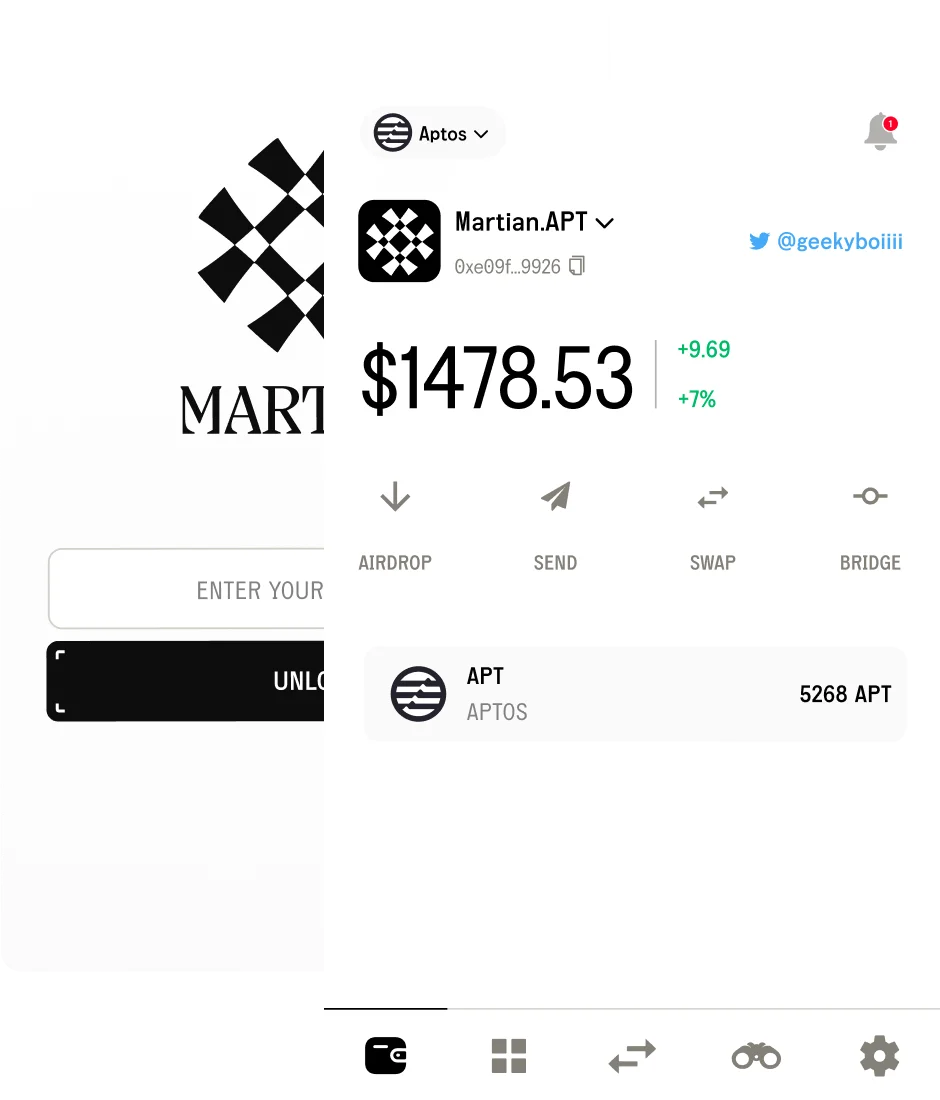
I Built a Routine Before Sending Anything
My most useful habit was creating a short checklist for every outgoing transaction.
Before confirming, I check the active network, account, recipient, asset, amount, and estimated fee. I also compare the amount being sent with the balance that will remain afterward.
If the account has insufficient native funds for gas, postponing the transfer can be smarter than submitting a transaction likely to fail.
For larger transfers, I inspect the destination address carefully even when it was copied and pasted. Checking the first and last characters, plus additional sections where practical, helps reduce the chance of using an incorrect or manipulated address.
The Wallet Fits a Complete Web3 Sequence
A normal session can involve much more than sending tokens.
I might receive an asset, verify that the balance updated, connect to a dApp, perform an action, and then return to Martian Wallet to review what changed.
This sequence makes activity easier to understand because every step has a visible result.
Viewing an NFT or token balance is different from authorizing a blockchain action. Reading wallet data does not normally move anything. Approving a transfer, swap, NFT purchase, or smart-contract transaction can change blockchain state and may involve fees.
Knowing that difference helps prevent accidental approvals.
Aptos and Sui Simplified My Record Keeping
Having Aptos and Sui accessible from the same extension made personal tracking more organized.
The networks remain separate, but I can use a familiar interface to review balances and activity across both ecosystems. This is especially useful when different accounts serve different purposes.
I prefer separating routine transfers, NFTs, DeFi, and experimental activity where possible. That structure makes transaction history easier to interpret.
For personal accounting, I record dates, transaction identifiers, assets, amounts, network fees, and the wallet account involved. There is no reason to include private keys or recovery phrases in those records.
That information should remain completely separate.
A Martian Aptos Wallet Error Needs Methodical Troubleshooting
When a balance appears outdated or a transaction looks stuck, repeating the action immediately can create more confusion.
If I encounter a martian aptos wallet error, I first confirm that Aptos is actually selected. Then I verify the active wallet address and inspect recent transaction activity.
Next, I check whether the wallet is connected properly and whether the extension is current.
Wallet Issue or Network Delay?
The distinction matters.
If a transaction is visible on the blockchain but the wallet display has not refreshed, the problem may be related to the interface or connection. If no transaction appears at all, the original request may never have been submitted successfully.
Network interruptions can also delay confirmation.
Before retrying, I want to know whether the first attempt exists. Otherwise, submitting the same action twice could result in unintended duplicate transactions.
Contract Requests Deserve Extra Attention
dApps make Web3 useful, but they also introduce another layer of risk.
Before connecting to an unfamiliar application, I check what it does, whether it belongs to the Aptos or Sui ecosystem, and whether the requested interaction matches the feature I intend to use.
Contract details become particularly important when tokens are involved.
A request might merely ask for a connection or approval, while another may authorize an actual transfer or swap. I read the transaction details instead of assuming every wallet prompt is harmless.
If something does not match my intended action, I decline it and investigate before trying again.
Phishing Often Starts Outside the Wallet
Some of the biggest risks appear before Martian Wallet is opened.
Unexpected messages containing “urgent” wallet updates, fake giveaways, suspicious support notices, or links to unfamiliar Web3 applications deserve caution.
I avoid opening wallet-related links from unsolicited messages. Instead, I verify information independently and compare it with official announcements.
Community channels can still be useful for learning about new features, ecosystem changes, or temporary technical issues. However, they should never be used as a place to share recovery information.
A recovery phrase or private key should not be required for ordinary support.
Browser Security Became Part of Wallet Security
Using a browser extension also made me reconsider the rest of my browser setup.
Every extension has its own permissions and software updates. Keeping many unnecessary extensions enabled can make the environment harder to evaluate and potentially increase security exposure.
For frequent Web3 use, I prefer a cleaner browser with only the extensions I actually need.
I also review permissions periodically.
This becomes particularly relevant when troubleshooting a martian aptos wallet error because another browser extension, connection issue, or outdated software component could be contributing to the problem.
My First-Week Learning System
Beginners do not need to master every Web3 term immediately.
I found it useful to create a small glossary. “Gas fee” meant the network cost of processing an action. “dApp” referred to a decentralized application. “NFT” described a unique blockchain asset. “Recovery phrase” and “private key” related to account access, while “self-custody” meant responsibility for controlling those credentials.
During the first week, I would focus on secure setup, a small incoming transfer, exploring Aptos and Sui separately, checking fees, viewing NFTs, reviewing activity, and following verified product updates.
That foundation makes advanced activity much easier later.

How Martian Wallet Fits My Asset Routine
My overall experience is that Martian Wallet works best when convenience is combined with structure.
I keep transaction records, separate activities across accounts where practical, review permissions, verify addresses, and check contract details before signing.
When a martian aptos wallet error appears, I troubleshoot the network, address, activity, connection, and extension version before assuming anything serious has happened.
The wallet can simplify access to Aptos, Sui, NFTs, and dApps, but disciplined habits are what make that convenience genuinely useful for managing digital assets over time.

 Arabic
 French
 Spanish
 Portuguese
 Deutsch
 Turkish
 Dutch
 Italiano
 Russian
 Romaian
 Portuguese (Brazil)
 Greek