

Mobility is more than a function of the human body; it’s the foundation of independence, freedom, and quality of life. Whether it’s a leisurely walk, climbing stairs, or lifting objects, the ability to move freely is something most of us take for granted—until it’s compromised. Musculoskeletal issues can severely restrict movement and impact both physical and mental wellbeing.
Orthopaedics, a branch of medicine dedicated to the care of the musculoskeletal system, plays a crucial role in addressing these challenges. From bone fractures to complex joint replacements, orthopaedics is committed to helping individuals regain strength, function, and the confidence to lead active lives once more.
Understanding Orthopaedics: A Foundation for Mobility
Orthopaedics is the medical discipline that focuses on diagnosing, treating, and preventing disorders of the bones, joints, ligaments, tendons, and muscles. It encompasses both surgical and non-surgical solutions to musculoskeletal problems.
Commonly treated conditions include osteoarthritis, rheumatoid arthritis, back pain, scoliosis, fractures, ligament tears, and sports injuries. Whether degenerative, traumatic, or congenital, these conditions often affect patients’ mobility, independence, and overall well being.
Treatment options have expanded significantly, thanks to medical advancements. Today’s orthopaedic care may involve a combination of therapies—physical rehabilitation, injections, medication, and, when necessary, surgical intervention. The ultimate goal remains the same: to restore function and improve the quality of life for those affected.

How Movement Declines: Causes of Mobility Issues
Loss of movement can stem from a variety of causes. Understanding these root factors is key to prevention and treatment.
1. Ageing and Degeneration
With age, joints naturally wear down. Cartilage thins, bones weaken, and flexibility diminishes. These changes can lead to conditions like osteoarthritis or spinal stenosis, which hinder free movement.
2. Injury and Trauma
Accidents, falls, and sports injuries are common triggers of musculoskeletal issues. Ligament tears, bone fractures, or muscle strains can require extended recovery and, in some cases, surgical correction.
3. Congenital and Chronic Conditions
Some individuals are born with or develop musculoskeletal disorders over time, such as scoliosis or juvenile arthritis. These conditions often require lifelong management and early intervention to maintain mobility.
4. The Psychological Impact
Loss of movement does not just affect the body; it takes a mental toll too. Patients may experience depression, anxiety, or social isolation. Addressing the psychological effects is essential in holistic orthopaedic care.
Restorative Orthopaedic Treatments and Their Role
Orthopaedic interventions aim to return patients to functional living, with minimal pain and maximal mobility. Treatments vary depending on severity and patient condition.
Non-Surgical Approaches
These include:
- Physiotherapy
- Pain management through medication or corticosteroid injections
- Bracing and supportive devices
- Lifestyle and ergonomic modifications
These conservative treatments are often the first line of defence. In many cases, an orthopedic specialist in Ahmedabad can develop a highly individualised plan to delay or avoid surgery entirely.
Surgical Options
When non-surgical methods no longer offer relief, procedures like joint replacements or arthroscopy are considered. These are tailored to the patient’s specific condition, age, and activity level.
A skilled orthopedic specialist in Ahmedabad ensures that surgical outcomes are optimised through precision, planning, and post-operative care, with the aim of long-term success and satisfaction.
Technological Innovations in Orthopaedics
Orthopaedic science has embraced several innovations that have redefined treatment efficacy and recovery timelines.
Minimally Invasive Techniques
Smaller incisions reduce scarring, pain, and recovery time. Patients typically return to normal activities much faster compared to traditional surgeries.
Robotic-Assisted Surgeries
These enhance surgical precision. Robotic arms allow for micro-level adjustments that improve implant placement and reduce errors, particularly in joint replacements.
3D-Printed Implants and Customisation
Every patient’s anatomy is unique. With 3D technology, orthopaedic surgeons can now use implants that are tailor-made to fit an individual’s bone structure, improving comfort and durability.
Advanced Imaging
MRI, CT scans, and digital planning software provide detailed pre-operative insights. Surgeons can anticipate challenges and plan with greater accuracy.
These technologies not only increase success rates but also reduce the risks associated with complex procedures. They empower both the surgeon and the patient in the journey to restored movement.
The Knee as a Cornerstone of Mobility
Among the many joints in the body, the knee is particularly critical. It bears significant body weight, supports movement, and absorbs shock during activities like walking, running, and jumping.
When knee function is impaired due to arthritis, ligament damage, or trauma, it often leads to significant lifestyle limitations. Everyday activities become challenging or impossible.
This is where a skilled knee replacement surgeon in Ahmedabad becomes invaluable. Knee replacement, whether partial or total, has become a standard and successful procedure for patients who have not responded to conservative treatments.
Modern implants, paired with robotic surgical assistance, have made these surgeries safer and more effective. Recovery protocols are now streamlined, enabling patients to return to mobility in weeks, rather than months.
A knee replacement surgeon in Ahmedabad assesses the severity of damage, discusses options, and supports the patient from pre-surgical counselling through post-operative rehabilitation.
Rehabilitation: The Unsung Hero of Recovery
While surgery or intervention may be the turning point in restoring mobility, it is rehabilitation that completes the journey.
The Importance of Physiotherapy
Targeted exercises improve muscle strength, joint flexibility, and coordination. Regular therapy sessions help restore balance, gait, and movement patterns.
Tailored Recovery Plans
Each patient’s body responds differently to treatment. Recovery protocols should be individualised, considering medical history, activity level, and personal goals.
Multidisciplinary Collaboration
Rehabilitation often involves physiotherapists, occupational therapists, pain specialists, and surgeons working in unison. Their collective input ensures a more complete and lasting recovery.
By addressing not just the injury but the holistic wellbeing of the individual, rehabilitation ensures that surgical or non-surgical treatment translates into real-life mobility and independence.
Prevention and Proactive Care for Long-Term Mobility
Orthopaedic care is not just about treatment—it’s also about prevention. Maintaining movement begins long before a condition becomes severe.
Early Diagnosis Matters
Prompt assessment allows for conservative treatments that can delay or prevent the need for surgical intervention. Joint preservation strategies, when applied early, are highly effective.
Lifestyle Considerations
- Exercise: Low-impact activities like swimming and cycling maintain joint function without strain.
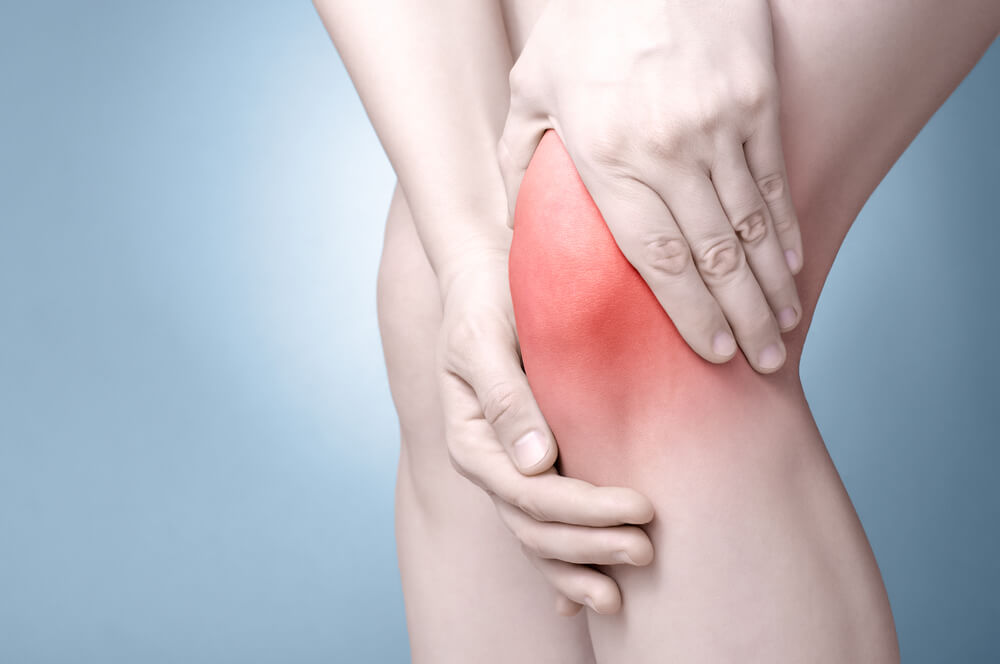
- Weight Management: Excess body weight stresses joints, particularly the knees and hips.
- Posture and Ergonomics: Proper sitting, lifting, and walking techniques reduce unnecessary stress on joints.
Regular Orthopaedic Reviews
Consulting with a certified specialist periodically helps identify minor issues before they escalate. An ongoing relationship with a trusted orthopaedic professional creates a foundation for long-term health.
Conclusion
The journey from limited mobility to active living is one that orthopaedics makes possible. Through precise diagnosis, cutting-edge treatments, and compassionate rehabilitation, individuals can regain movement and reclaim their quality of life.
Whether addressing early discomfort or planning a complex joint replacement, seeking expert guidance ensures informed decisions and optimal outcomes. Restoring mobility is not just a medical process—it’s a path to personal empowerment, freedom, and renewed confidence.
For those in search of exceptional care, Dr Meet Mehta provides the comprehensive expertise of a trusted orthopedic specialist in Ahmedabad, alongside the precision of an experienced knee replacement surgeon in Ahmedabad, supporting patients every step of the way.

 Arabic
 French
 Spanish
 Portuguese
 Deutsch
 Turkish
 Dutch
Dutch
 Italiano
 Russian
 Romaian
 Portuguese (Brazil)
 Greek
Greek