
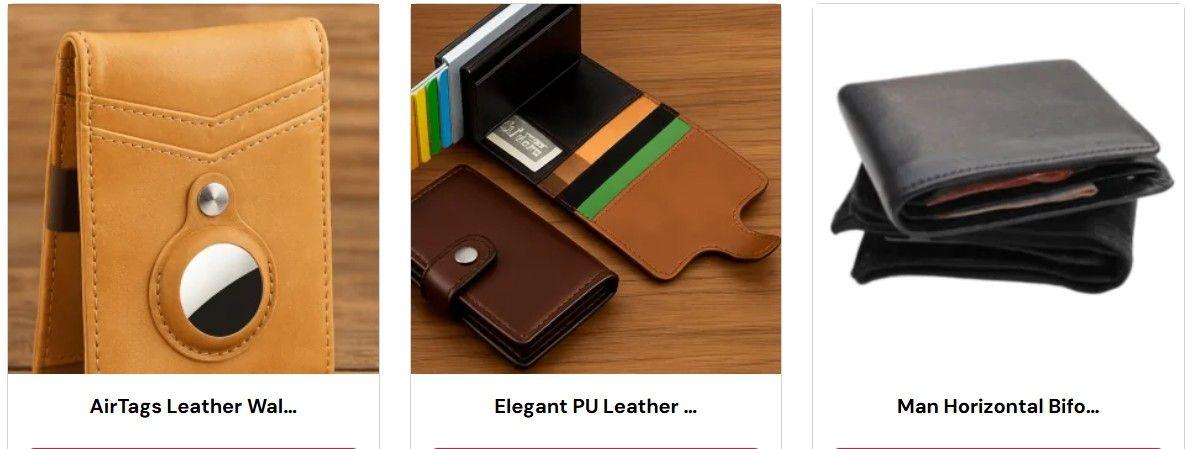
When it comes to timeless accessories, a leather wallet sits at the top of the list. More than just a place to hold cards and cash, it is a symbol of craftsmanship, durability, and personal style. But few people stop to think about how much effort goes into creating this small but essential item. The process of leather wallet manufacturing involves tradition, skill, and attention to detail that ensures every piece is unique.
The Journey Begins: Selecting the Right Leather
Every great wallet starts with great material. The choice of leather is the most crucial step in leather wallet manufacturing. Tanners often use full-grain or top-grain leather because of its strength, texture, and natural look. Full-grain leather, in particular, develops a rich patina over time, giving the wallet character as it ages.
Before the leather reaches the craftsman, it goes through tanning—either vegetable tanning for a natural finish or chrome tanning for flexibility and vibrant colors. This stage ensures the leather is durable enough to withstand years of daily use.
Precision Cutting and Shaping
Once the leather is prepared, artisans move to the cutting process. This is where precision matters most. Each wallet design requires multiple small pieces—card slots, coin pockets, lining, and the outer shell. Skilled craftsmen use patterns to cut every section to the exact size.
Mistakes at this stage can waste expensive material, which is why modern leather wallet manufacturing sometimes incorporates laser-cutting technology for accuracy. However, many luxury brands still rely on hand-cutting, believing it preserves the authenticity of the craft.
The Art of Stitching
Stitching is where a wallet truly comes to life. Traditionally, artisans use saddle stitching, a method done entirely by hand with two needles and waxed thread. This technique is stronger than machine stitching, ensuring the wallet lasts for decades.
Some manufacturers use sewing machines for faster production, but hand-stitched wallets remain the hallmark of luxury craftsmanship. Beyond function, stitching adds to the wallet’s style, with contrasting thread colors often used to create a striking design detail.
Edging and Finishing Touches
After stitching, the wallet edges need to be smoothed, sealed, and polished. This finishing process is what gives the wallet its sleek and professional appearance. Edges are often burnished with special tools and dyed to match or contrast with the wallet color.
Polishing, buffing, and conditioning are also essential. A final coat of natural oils or wax not only enhances the shine but also protects the leather from moisture.
Customization and Branding
Many modern buyers want their wallets to be more than just functional—they want them personalized. This has made customization an important part of leather wallet manufacturing. From monogramming initials to embossing logos, artisans offer unique touches that make each wallet truly one of a kind.
Luxury brands also focus heavily on branding, often incorporating subtle but distinctive design elements such as signature stitching patterns, embossed emblems, or unique lining fabrics.
Sustainability in Leather Craft
In recent years, eco-friendly practices have gained momentum. Manufacturers are turning to vegetable-tanned leather, recycled materials, and ethical sourcing of hides. These sustainable methods ensure that while wallets remain stylish and durable, they are also kinder to the environment.
Consumers today are more conscious, and brands that highlight eco-friendly leather wallet manufacturing methods gain trust and loyalty from buyers who care about both style and sustainability.
Why Leather Wallets Remain Timeless
In a digital age where mobile payments are on the rise, leather wallets still hold strong appeal. They are not just about carrying essentials but also about expressing identity. A well-crafted leather wallet represents sophistication, reliability, and elegance. Unlike synthetic alternatives, genuine leather wallets get better with age, telling a story with every crease and patina mark.
Final Thoughts
The world of leather wallets is a blend of heritage and modern innovation. From the careful selection of hides to the last stitch and polish, every step in the process reflects passion and precision. That is why a genuine leather wallet is more than just an accessory—it’s an investment in craftsmanship and style.Whether you prefer a slim minimalist design or a classic bifold, understanding the depth of leather wallet manufacturing helps you appreciate the artistry behind the product you carry every day.

 Arabic
 French
 Spanish
 Portuguese
 Deutsch
 Turkish
 Dutch
Dutch
 Italiano
 Russian
 Romaian
 Portuguese (Brazil)
 Greek
Greek