
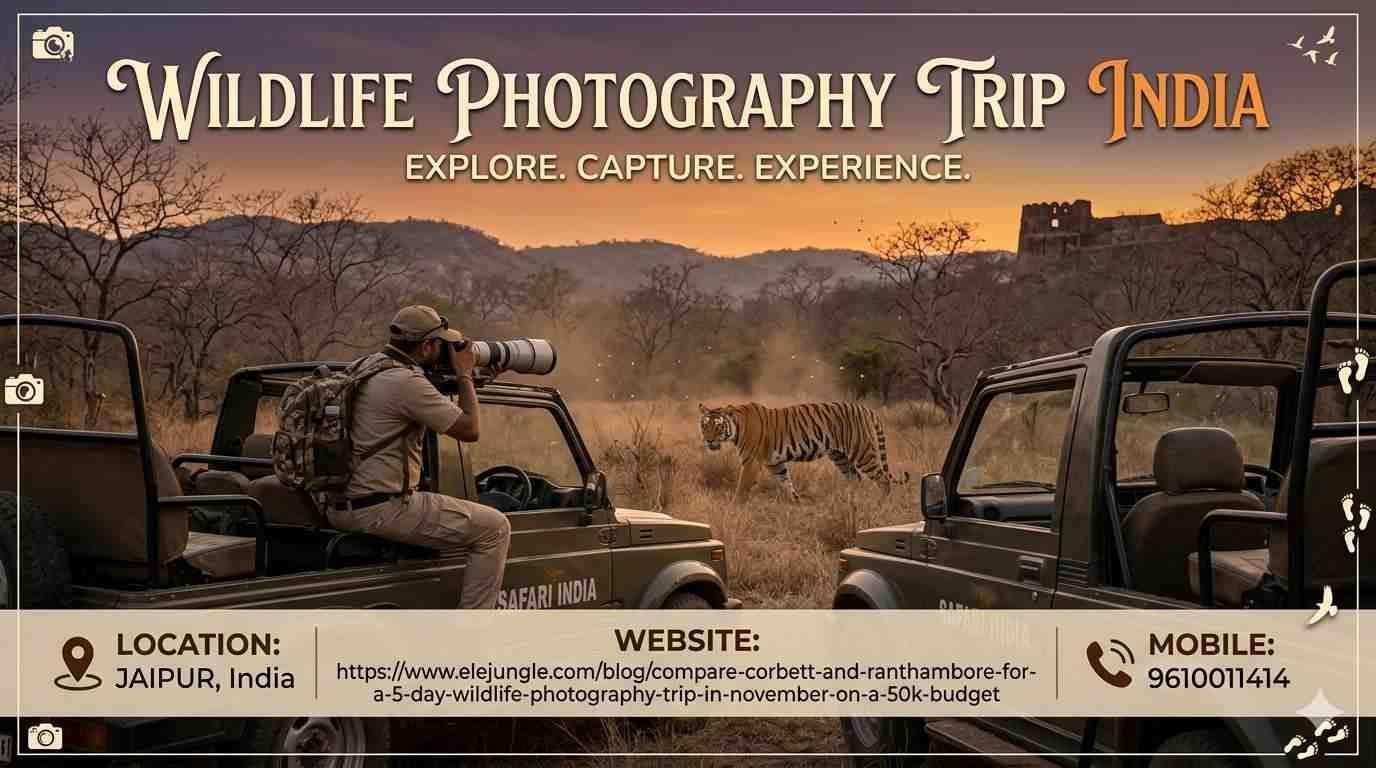
Capture the raw spirit of the Indian wilderness through your camera lens. Master your camera settings, locate iconic apex predators, and build an unforgettable nature portfolio with our expert, field-tested photography blueprint.
India holds a magical charm for visual storytellers. The vast terrain plays host to some of the rarest animals on earth. Planning a successful wildlife photography trip India requires practical knowledge, local expertise, and precise timing. This comprehensive guide gives you actionable insights to capture stunning images while respecting the rich biodiversity of the Indian subcontinent.
Why India is a Top Choice for Nature Photographers
The unique landscapes of India offer unparalleled biodiversity. From the dense tropical rainforests of the Western Ghats to the dry deciduous woods of Central India, each ecosystem hosts distinct species. Photographers flock here to build diverse and dynamic nature portfolios.
A well-planned safari experience allows you to shoot contrasting frames in a single tour. You can capture a tiger pacing through misty ancient ruins in the morning, and photograph rare birds by a lake in the evening. The sheer variety of light, texture, and deep color palettes makes India a premier global photography destination.
Quick Focus
- Tiger capital. India protects over seventy percent of the wild tiger population.
- Diverse habitats. Photograph wetlands, deserts, alpine peaks, and lush jungles.
Top National Parks for Your Camera Adventure
Choosing the right destination decides the quality of your portfolio. India has over a hundred national parks, but a few stand out as paradise for professional camera users.
1. Ranthambore National Park, Rajasthan
Ranthambore blends natural history with majestic heritage. Ancient stone forts and crumbling arches serve as the background for your animal frames. This park provides the ultimate setting for a wildlife photography trip India if you want dramatic, storytelling images of Bengal tigers.
The open dry forest provides clean sightlines for long lenses. The tigers here are well-accustomed to safari jeeps, allowing you to observe natural hunting behaviors without disturbing the animal. Focus on the lake zones during peak heat for classic swimming tiger shots.
2. Bandhavgarh National Park, Madhya Pradesh
Bandhavgarh boasts one of the highest densities of royal Bengal tigers in the country. The steep rocky hills and green valleys provide beautiful natural contrast. If close-up portraits of big cats top your bucket list, include this park in your travel itinerary.
The park rules allow tracking along specific paths. Local guides excel at reading alarm calls from deer and monkeys. These vocal signs lead your safari vehicle directly to the action before other trucks arrive.
3. Kaziranga National Park, Assam
Kaziranga offers a completely different visual experience. Tall elephant grass, vast marshlands, and shallow lakes dominate the landscape. This park forms a critical stop during an expedition for capturing the prehistoric Indian one-horned rhinoceros.
The morning fog creates a mystical atmosphere for landscape-heavy wildlife shots. Kaziranga also protects large breeding herds of wild water buffalo and Asian elephants, adding massive scale to your images.
4. Jhalana Leopard Reserve, Rajasthan
Jhalana sits on the outskirts of Jaipur and features narrow desert tracks. This unique location provides consistent, high-quality views of leopards resting on desert rocks. The dry, open valleys allow you to track big cats easily without blocking the light.
5. Kanha National Park, Madhya Pradesh
Kanha serves as the classic inspiration for jungle storybooks. The majestic sal forests and sprawling green meadows give you wide backgrounds for landscape work. It remains the ideal location to capture the endangered barasingha swamp deer pacing across misty morning clearings.
Destination Quick Reference
| National Park | Primary Target Species | Best Photography Season |
| Ranthambore | Bengal Tiger, Indian Leopard | October to April |
| Bandhavgarh | Bengal Tiger, Sloth Bear | November to May |
| Kaziranga | One-Horned Rhino, Wild Buffalo | November to April |
| Kabini (Nagarhole) | Black Panther, Asian Elephant | March to May |
| Jhalana | Indian Leopard, Desert Fox | Year-round access |
| Kanha | Bengal Tiger, Swamp Deer | October to May |
Essential Camera Gear and Lens Recommendations
The varied terrain means your gear needs to be versatile and durable. Missing a shot because of slow autofocus or wrong focal lengths can ruin an expensive journey. Pack smartly for your wilderness trek to handle both tight close-ups and wide habitat frames.
Telephoto Prime and Zoom Lenses
A telephoto lens is non-negotiable for safety and crisp detail. A 400mm or 600mm prime lens works best for bird photography and distant predators. Zoom lenses like a 100-400mm or 200-600mm give you the flexibility to reframe fast-moving animals close to your vehicle.
Keep a second camera body fitted with a wider lens, such as a 24-70mm or 70-200mm. This setup ensures you can instantly capture environmental portraits when a tiger walks right past your open safari jeep.
Supportive Field Equipment
Do not count on traditional heavy tripods while shooting from vehicles. Jeep spaces are very tight, so bring compact clamp mounts or sturdy bean bags instead. Investing in a dual-shoulder strap system keeps both camera bodies ready for split-second animal movements.
Gear Checks
- Dust protection. Indian safari tracks get incredibly dusty.
- Bean bags. Monopods are hard to use inside moving jeeps.
Mastering Camera Settings for Indian Jungles
Jungle lighting changes rapidly. Early mornings feature low, golden rays, while afternoons bring harsh, vertical light. Adjust your camera to handle these shifts during your outdoor sessions.
Set your camera to Manual Mode with Auto ISO. This allows you to lock in your shutter speed and aperture while the camera manages exposure changes as the animal moves between deep shade and open sunlight. Keep your shutter speed at 1/1000s or faster to freeze sudden predatory action.
Use back-button autofocus combined with continuous tracking mode. This professional technique keeps the focus locked onto the eye of the animal, even when branches or tall grass block the clear view.
Best Seasons to Plan Your Photography Tour
Timing your visit dictates your success rate. Most premium national parks in India close during the annual monsoon season, which spans from July to September. Plan your vacation according to seasonal animal behaviors.
The dry winter months of November to February offer pleasant weather and beautiful misty mornings. However, the vegetation remains thick, making animals harder to spot. For the absolute best predator sightings, brave the intense heat of March to May.
As water holes dry up, animals gather around the remaining water sources. This predictable behavior allows your guide to park near water pools and wait for tigers, leopards, and bears to arrive, giving you clean, unobstructed frames.
Ethical Practices for Sustainable Wildlife Photography
True expertise shows in how you respect your subjects. A professional approach prioritizes animal safety and conservation over getting a viral image. Never pressure your driver to circle or crowd an animal.
Keep your voice down to a whisper during sightings. Avoid using flash photography, as it blinds nocturnal animals and creates unnatural stress. Maintain a respectful distance to observe natural, unstaged behavior that translates into authentic photographs.
Ethics Rules
- Stay inside. Never step out of your safari vehicle.
- No littering. Pack out every piece of plastic or trash.
Booking Logistics and Professional Trackers
Securing safari permits early is the most critical step of your trip. Popular parks open their booking systems months in advance, and slots fill up within minutes. Partnering with certified local naturalists elevates your journey from a simple vacation to a masterclass.
Local trackers know individual animal territories, family dynamics, and favorite resting spots. They position the safari vehicle keeping the angle of the sun in mind, ensuring you get the best possible lighting on your subject's face.
Summary Blueprint for Success
An exceptional nature tour combines patience, technical skill, and deep respect for nature. By choosing the right parks, bringing adaptive gear, and understanding animal habits, you will capture jaw-dropping images. Pack your camera bags, respect the wild rules, and prepare to document the magical biodiversity of India.

 English
 Arabic
 French
 Spanish
 Portuguese
 Deutsch
 Turkish
 Dutch
Dutch
 Italiano
 Romaian
 Portuguese (Brazil)
 Greek
Greek