
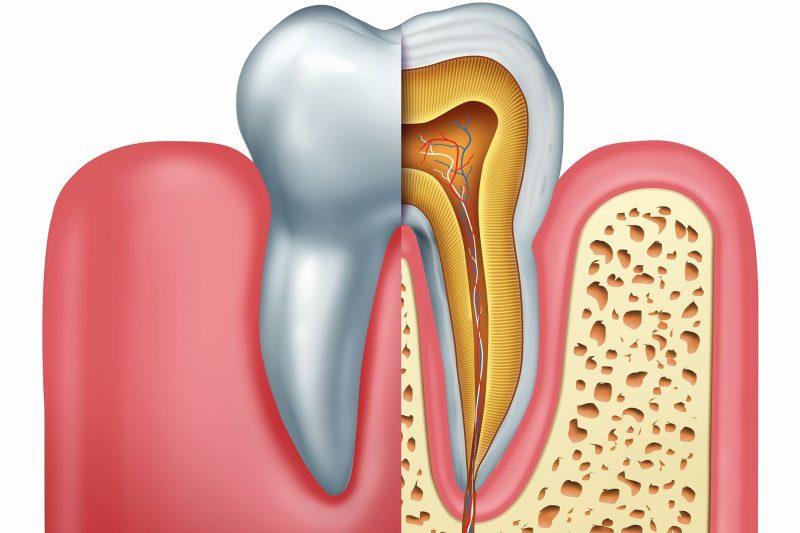
A root canal is a highly effective dental procedure that saves a severely damaged or infected tooth. Many patients wonder how long recovery will take and when they can expect to feel completely normal again. While most people experience significant improvement within a few days, complete healing of the surrounding tissues may take several weeks or even a few months, depending on the condition of the tooth before treatment.
Understanding the healing timeline can help you know what to expect and recognize when it's time to contact your dentist.
What Happens During a Root Canal?
A root canal in islamabad removes infected or inflamed pulp from inside the tooth. After cleaning and disinfecting the root canals, your dentist fills and seals them to prevent future infection. In many cases, a dental crown is placed afterward to protect and strengthen the treated tooth.
The procedure eliminates infection while preserving your natural tooth, allowing you to chew comfortably and maintain your smile.
How Long Does Recovery Take?
Recovery after a root canal happens in stages.
First 24 Hours
The local anesthesia usually wears off within a few hours. During this period, you may notice:
- Mild tenderness
- Slight swelling
- Sensitivity when biting
- Minor discomfort around the treated tooth
Most patients can return to work or school the following day.
Days 2 to 7
The majority of discomfort improves within the first week. Over-the-counter pain relievers are often enough to manage any soreness.
During this time:
- Inflammation begins to decrease.
- Chewing becomes more comfortable.
- The surrounding tissues continue healing.
- Normal daily activities can usually resume.
Two to Four Weeks
Although pain may already be gone, the bone and tissues around the tooth continue healing beneath the surface.
Most patients feel completely normal during this stage, even though internal healing is still ongoing.
One to Three Months
If the tooth had a severe infection or abscess before treatment, complete healing of the bone around the root can take several months. Your dentist may recommend follow-up X-rays to confirm that healing is progressing as expected.
Factors That Affect Healing Time
Every patient's recovery is different. Several factors influence how quickly healing occurs.
Severity of the Infection
A tooth with a deep infection or abscess generally takes longer to heal than one treated early.
Number of Root Canals
Molars usually have three or four canals, making treatment more complex than front teeth, which often have only one canal.
Overall Health
Patients with good immune function typically heal faster. Conditions such as diabetes or smoking may slow the healing process.
Presence of a Dental Crown
A permanent crown protects the treated tooth from fractures and restores normal chewing function. Delaying crown placement may increase the risk of damage.
Following Aftercare Instructions
Proper oral hygiene and following your dentist's recommendations help ensure smooth recovery.
Is Pain Normal After a Root Canal?
Yes. Mild discomfort is completely normal for several days.
Common symptoms include:
- Tenderness while chewing
- Slight gum soreness
- Mild swelling
- Temporary sensitivity
These symptoms usually improve each day.
However, severe pain that worsens instead of improving may indicate a problem requiring evaluation.
Tips to Speed Up Healing
A few simple habits can make recovery more comfortable.
Take Prescribed Medication
If your dentist prescribes antibiotics or pain medication, take them exactly as instructed.
Avoid Hard Foods
For the first few days, stick with softer foods such as:
- Yogurt
- Soup
- Mashed potatoes
- Rice
- Scrambled eggs
- Pasta
- Smoothies
Avoid chewing directly on the treated tooth until your dentist says it is safe.
Maintain Good Oral Hygiene
Continue brushing and flossing gently around the treated area to prevent bacteria from accumulating.
Attend Follow-Up Visits
Your dentist will ensure the tooth is healing properly and place a permanent crown if needed.
What Foods Should You Avoid?
Immediately after treatment, avoid foods that may stress the healing tooth, including:
- Hard candy
- Ice
- Nuts
- Sticky caramel
- Chewing gum
- Popcorn kernels
- Tough meat
- Crunchy chips
Choosing softer foods reduces pressure on the tooth while healing.
When Can You Eat Normally Again?
Most patients can gradually return to their regular diet after a few days once tenderness improves.
If your tooth has only a temporary filling, avoid chewing hard foods on that side until the permanent restoration is placed.
After receiving the final crown, you can usually eat normally again.
Signs Your Root Canal Is Healing Well
Positive signs include:
- Decreasing pain each day
- Reduced tenderness
- Comfortable chewing
- No swelling
- Healthy gums around the tooth
- Improved overall comfort
These are all indications that healing is progressing normally.
Warning Signs That Require a Dentist
Contact your dentist promptly if you experience:
- Severe or worsening pain
- Swelling that increases after several days
- Fever
- Pus or drainage near the tooth
- A loose temporary filling
- Difficulty biting that doesn't improve
- Persistent sensitivity after several weeks
Early treatment can prevent further complications.
Can a Root Canal Fail?
Although root canals have a very high success rate, failure can occasionally occur due to:
- Hidden canals that weren't treated
- New decay entering the tooth
- A cracked tooth
- Broken dental restoration
- Reinfection
If this happens, your dentist may recommend retreatment or a surgical procedure called an apicoectomy to save the tooth.
How Long Does a Root Canal-Treated Tooth Last?
With proper care, a tooth that has undergone a successful root canal can last for many years—and often for a lifetime.
To maximize its lifespan:
- Brush twice daily.
- Floss every day.
- Visit your dentist regularly.
- Wear a night guard if you grind your teeth.
- Avoid chewing extremely hard objects.
Proper oral care greatly increases the long-term success of root canal treatment.
Final Thoughts
Most people recover from a root canal within a few days, while complete healing of the surrounding tissues may take anywhere from several weeks to three months, depending on the severity of the original infection. Mild soreness after treatment is normal and should steadily improve over the first week. Following your dentist's aftercare instructions, maintaining excellent oral hygiene, and receiving a permanent crown when recommended will help ensure a smooth recovery and long-lasting results. If you experience severe pain, swelling, or persistent symptoms, contact your dentist promptly for evaluation to protect your restored tooth and overall oral health.

 English
 Arabic
 French
 Portuguese
 Deutsch
 Turkish
 Dutch
Dutch
 Italiano
 Russian
 Romaian
 Portuguese (Brazil)
 Greek
Greek