
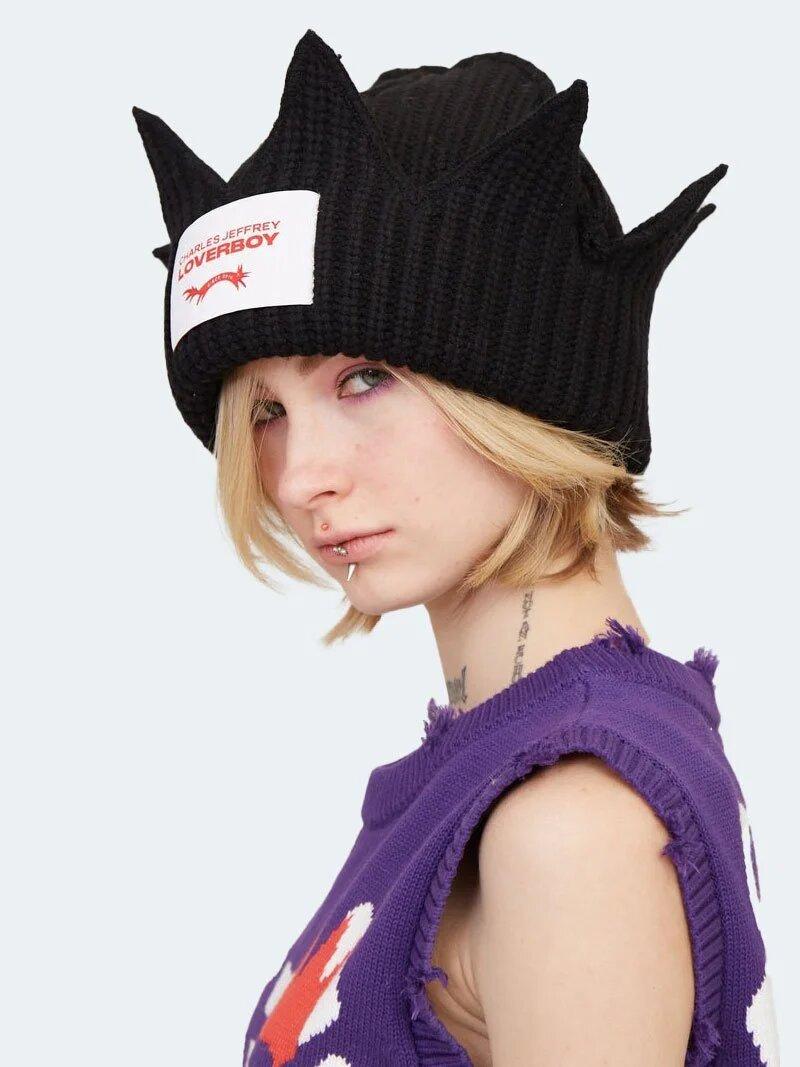
In the ever-evolving world of fashion, certain pieces manage to carve out a niche so distinct and magnetic that they transcend mere utility and become emblematic of a movement. The Loverboy Hat is one such item. With its surreal, almost theatrical flair and rebellious undertone, this accessory has grown from a runway oddity to a cult-status artifact within the avant-garde and streetwear scenes. Worn by style renegades, underground creatives, and fashion-forward visionaries, the Loverboy Hat is not just a cap—it’s a statement, a rebellion, a dream stitched into wool and whimsy.
The Origins of the Loverboy Mythos
To understand the allure of the Loverboy Hat, one must dive into the mind of its creator—Charles Jeffrey, the Scottish-born designer and founder of Charles Jeffrey LOVERBOY. A graduate of Central Saint Martins, Jeffrey emerged in the mid-2010s as a bold new voice in London’s fashion underground. His designs are drenched in punk ideology, queer identity, performance art, and raw emotion. LOVERBOY as a brand has always straddled the line between fashion and spectacle, creating clothing that doesn’t just dress the body—it awakens the imagination.
The Loverboy Hat first gained traction through Jeffrey’s fashion shows, which were more like performance pieces than traditional catwalks. These hats, often shaped like oversized ears or phantasmagorical animal features, were immediately eye-catching. More importantly, they were an extension of Jeffrey’s ethos: to break boundaries, blur gender lines, and inject childlike wonder into the rigidity of the fashion system. The hat’s playful shape, hand-crafted detail, and theatrical aura captured attention, and slowly but surely, it began to trickle down from high-fashion cult status into streetwear consciousness.
Design Details: Whimsy Meets Subversion
What sets the Loverboy Hat apart from typical headwear is its unapologetic weirdness. Most often made from boiled wool or mohair, the hat features two protruding “ears”—a hybrid of animalistic fantasy and artistic surrealism. It’s not functional in the traditional sense, nor is it designed for subtlety. It demands to be seen. Whether in vibrant reds, inky blacks, or electric blues, every version of the Loverboy Hat evokes a different emotion—mischief, menace, elegance, or innocence.
But the real beauty lies in its handcrafted imperfection. There is an intentional roughness, a raw quality that mirrors the rebellious spirit of punk. Seams might be visible, the wool might appear frayed, the silhouette might lean towards the grotesque—but it’s all deliberate. This hat does not aim to be polished. It aims to provoke. It takes traditional millinery and flips it on its head—literally and metaphorically.
Symbolism and Subculture: More Than Just a Hat
Beyond its visual eccentricity, the Loverboy Hat has grown into a symbol of identity and defiance. In a world where mainstream fashion often demands conformity, this hat does the opposite. It’s a beacon for those who reject the binary, the sanitized, the commercial. It tells the world that its wearer is unafraid to be different, to be seen, to take up space in a way that is joyfully radical.
The hat also operates as a form of queer expression. Charles Jeffrey himself has often spoken about the influence of his queerness on his design philosophy. The Loverboy Hat, with its non-conforming shape and theatrical energy, becomes a wearable act of queerness. It references everything from club kids to drag queens, from Leigh Bowery to Vivienne Westwood. Wearing the Loverboy Hat is not just about fashion—it’s about alignment with a community that celebrates difference.
Celebrity Influence and Cultural Impact
Unsurprisingly, the Loverboy Hat has found its way onto the heads of some of the most daring style icons of our time. Artists like Harry Styles, Lil Nas X, FKA twigs, and Björk have all been spotted wearing the hat in various iterations. For these figures—already known for pushing fashion boundaries—the Loverboy Hat serves as a perfect accessory to amplify their idiosyncratic aesthetics.
But it’s not just about celebrities. The hat has been adopted by underground club-goers, fashion students, and TikTok creators alike. It’s been featured in editorial spreads, underground zines, and music videos. In many ways, it’s become the unofficial crown of the fashion misfits—a tongue-in-cheek badge of honor that says, “I belong to the beautifully strange.”
From Runway to Streetwear: A Fashion Evolution
What’s fascinating about the Loverboy Hat is how seamlessly it has transitioned from high-concept couture to grassroots streetwear. At first glance, it’s hard to imagine something so absurd finding a place in everyday wardrobes. Yet, that’s exactly what has happened. The hat has been reinterpreted in more wearable colors, its dimensions slightly toned down, making it more accessible without sacrificing its original weirdness.
The rise of maximalist street style in the 2020s, influenced by trends like goblincore, genderless fashion, and avant-punk aesthetics, created the perfect ecosystem for the Loverboy Hat to thrive. It became the cherry on top of eclectic outfits—paired with thrifted jackets, platform boots, patchwork denim, and eyeliner-heavy looks. Suddenly, it wasn’t just for the runway anymore—it was for the radical self-stylist walking down city streets.
A Future Icon in the Making
Fashion moves fast. Trends come and go. But the Loverboy Hat possesses something rare: a timeless spirit of rebellion. It’s not bound to seasons or dictated by commercial appeal. Its value lies in its cultural impact, its emotional resonance, and its refusal to conform. In that sense, it’s not just a hat—it’s a legacy in the making.
In twenty years, the Loverboy Hat will likely be remembered not just as a viral trend or a quirky accessory, but as a defining piece of a larger movement in fashion. A movement that championed self-expression, rejected norms, and encouraged people to play, to imagine, to perform.
Final Thoughts: Wearing the Loverboy Hat
To wear the Loverboy Hat is to step into a dreamscape of fashion that doesn't ask for permission. It doesn’t whisper—it shouts. It’s for the brave, the weird, the bold-hearted souls who treat dressing as a daily act of rebellion and performance. It’s not always about beauty; it’s about impact. It’s about wearing your identity on your head—literally—and daring the world to question it.
So when you pull on that absurd, glorious, animal-eared piece of wool, you’re doing more than completing a look. You’re joining a lineage of artists, weirdos, queers, punks, and visionaries. You’re tipping your hat to a world that dares to be different.

 English
 Arabic
 French
 Portuguese
 Deutsch
 Turkish
 Dutch
Dutch
 Italiano
 Russian
 Romaian
 Portuguese (Brazil)
 Greek
Greek