
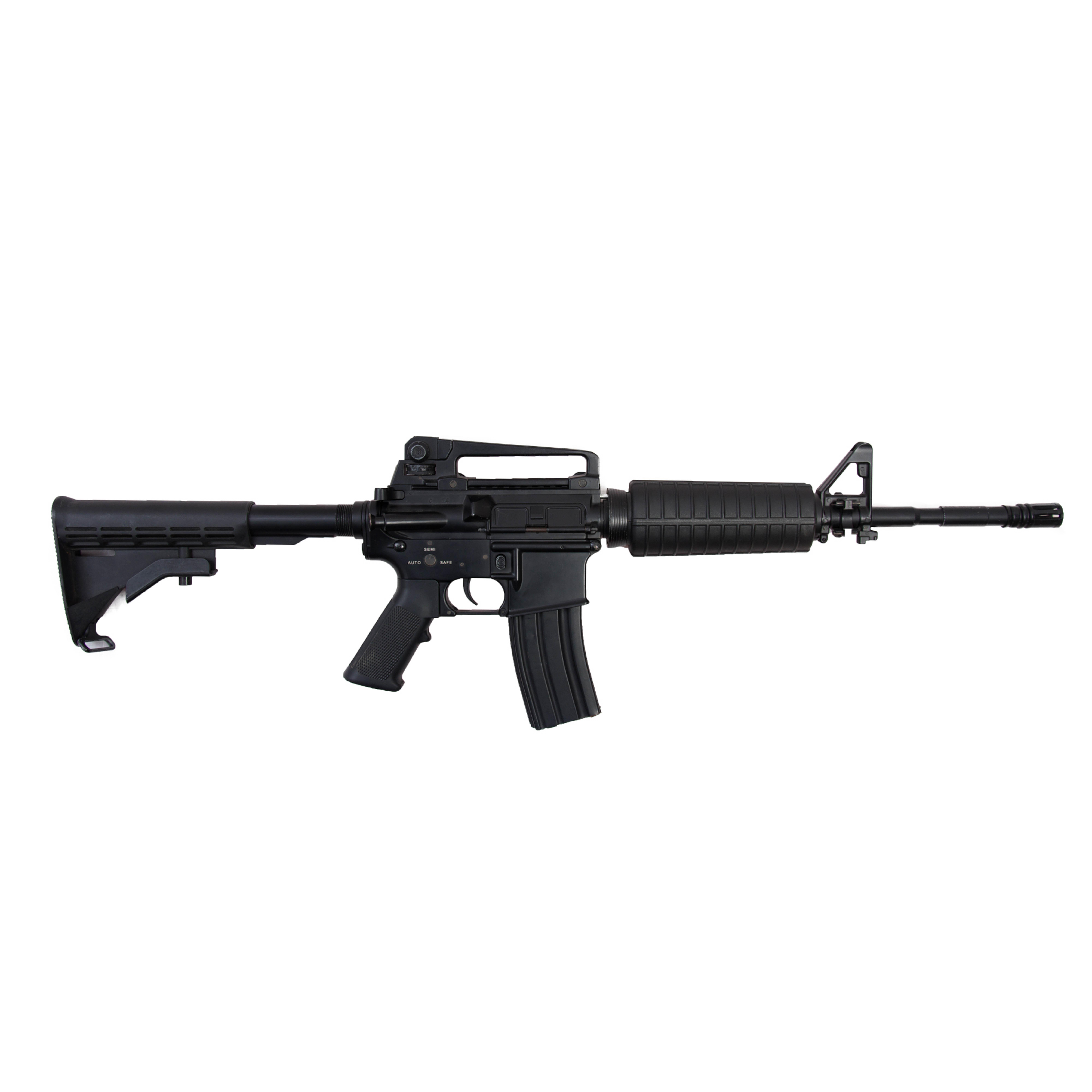
Selecting the right ammunition can significantly influence performance, accuracy, and reliability when shooting a lever gun. While many shooters focus on optics or accessories, ammunition choice often plays a larger role in real-world results. A .357 lever action rifle offers impressive versatility, but that versatility only shines when the ammunition is well matched to the task at hand.
Whether the goal is recreational shooting, hunting, or property defense, understanding how different loads behave in a longer barrel helps shooters get the most from their rifle. With the right approach, ammunition selection becomes less about trial and error and more about informed decision-making.
Understanding How Rifle Barrels Change Performance
Handgun cartridges behave differently when fired from a rifle-length barrel. Increased velocity is one of the most noticeable changes. Powder has more time to burn, which results in higher muzzle energy and flatter trajectories. Because of this, ammunition that feels mild in a revolver can perform surprisingly well in a lever gun.
In a .357 lever action rifle, this added velocity improves penetration and terminal performance. As a result, many loads become suitable for small to medium game, especially at close to moderate distances. However, not every load benefits equally, making it important to understand bullet construction and intended use.
Bullet Weight and Its Impact on Accuracy
Bullet weight is one of the first factors shooters notice when comparing ammunition. Lighter bullets tend to travel faster and produce less drop at shorter distances. Heavier bullets, on the other hand, often offer better penetration and retained energy.
For range use, mid-weight bullets often strike the best balance. These loads typically generate manageable recoil while still offering consistent accuracy. In a .357 lever action rifle, heavier bullets may stabilize well due to the longer barrel, but they can also produce increased recoil depending on the load.
Finding the ideal bullet weight usually requires testing a few options. Every rifle has its own preferences, and small differences in barrel manufacturing can affect performance.
Jacketed vs Soft Point vs Hollow Point
Bullet construction matters just as much as bullet weight. Full metal jacket rounds are commonly used for training and practice because they feed reliably and are often more affordable. These rounds typically penetrate deeply and maintain their shape, making them less ideal for hunting.
Soft point bullets are a popular option for hunters. They offer controlled expansion while still penetrating adequately. In a .357 lever action rifle, soft points often expand more reliably than they would from a handgun due to increased velocity.
Hollow point bullets can also perform well, especially modern designs engineered for higher velocities. However, some hollow points designed specifically for revolvers may expand too rapidly when fired from a rifle. For this reason, checking manufacturer recommendations is always a good idea.
Choosing Ammunition for Target Shooting
When shooting at the range, consistency and recoil management matter more than raw power. Ammunition designed for practice should cycle smoothly through the action while remaining comfortable for extended sessions.
Many shooters find that standard-pressure loads work exceptionally well in a .357 lever action rifle. These rounds tend to be accurate, pleasant to shoot, and cost-effective. Additionally, lighter recoil allows shooters to maintain better control and focus on fundamentals such as trigger discipline and follow-through.
Because lever-action rifles often feed best with round-nose or flat-point bullets, choosing ammunition with a profile designed for tubular magazines helps prevent feeding issues.
Ammunition Selection for Hunting Applications
Hunting introduces a different set of priorities. Ethical harvesting requires sufficient penetration, reliable expansion, and consistent shot placement. Fortunately, the added velocity of a rifle makes many .357 loads viable for hunting within reasonable distances.
In a .357 lever action rifle, properly constructed soft point or bonded bullets perform well on small to medium game. These loads typically deliver adequate energy while minimizing excessive meat damage. Shot placement remains critical, but choosing ammunition designed for controlled expansion increases the margin for error.
Hunters should also consider local regulations, as some areas restrict certain bullet types. Always verify that the chosen ammunition complies with hunting laws before heading into the field.
Recoil, Noise, and Shooter Comfort
Although recoil from a .357 lever action rifle is generally mild, ammunition choice still affects shooter comfort. Hotter loads generate more recoil and muzzle blast, which can fatigue shooters during longer sessions.
Reduced recoil loads are an excellent option for new shooters or those focusing on accuracy training. These loads allow shooters to stay on target and build confidence without developing bad habits caused by flinching.
Noise is another factor worth considering. While any firearm produces significant sound, some loads are noticeably louder due to powder choice and pressure levels. Proper hearing protection is essential regardless of ammunition type.
Reliability and Feeding Considerations
Lever-action rifles rely on smooth feeding from tubular magazines. Bullet shape plays a crucial role in reliability. Flat-point and round-nose bullets are traditionally preferred because they stack safely in the magazine and feed consistently.
In a .357 lever action rifle, ammunition designed with lever guns in mind typically offers better reliability. Sharp-edged bullet profiles can occasionally cause feeding issues, especially in older rifles. Testing a chosen load before relying on it for serious use is always recommended.
Consistency across multiple magazines or reloads helps identify potential issues early and ensures dependable performance when it matters most.
Balancing Cost and Performance
Ammunition costs can vary widely depending on brand, bullet type, and availability. While premium hunting loads often cost more, they are usually worth the investment for their intended purpose.
For training, affordable practice ammunition makes sense. Using cost-effective loads allows shooters to practice more frequently without sacrificing reliability. Mixing practice and premium ammunition is a common strategy, ensuring familiarity with both recoil profiles and point of impact.
Over time, careful testing helps shooters identify which loads deliver the best balance of accuracy, reliability, and value.
Final Thoughts on Making the Right Choice
Choosing ammunition is a process rather than a one-time decision. Conditions, goals, and experience levels all influence what works best. By understanding how bullet weight, construction, and velocity interact, shooters can make smarter choices and get better results.
A .357 lever action rifle stands out for its adaptability, making it suitable for a wide range of uses. When ammunition is chosen thoughtfully, that adaptability becomes a real advantage rather than a compromise.
For shooters looking to explore trusted options, reviews, and expert insights, resources like GunsAmerica provide valuable information to help refine choices and stay informed within the firearms community.

 English
 French
 Spanish
 Portuguese
 Deutsch
 Turkish
 Dutch
Dutch
 Italiano
 Russian
 Romaian
 Portuguese (Brazil)
 Greek
Greek