
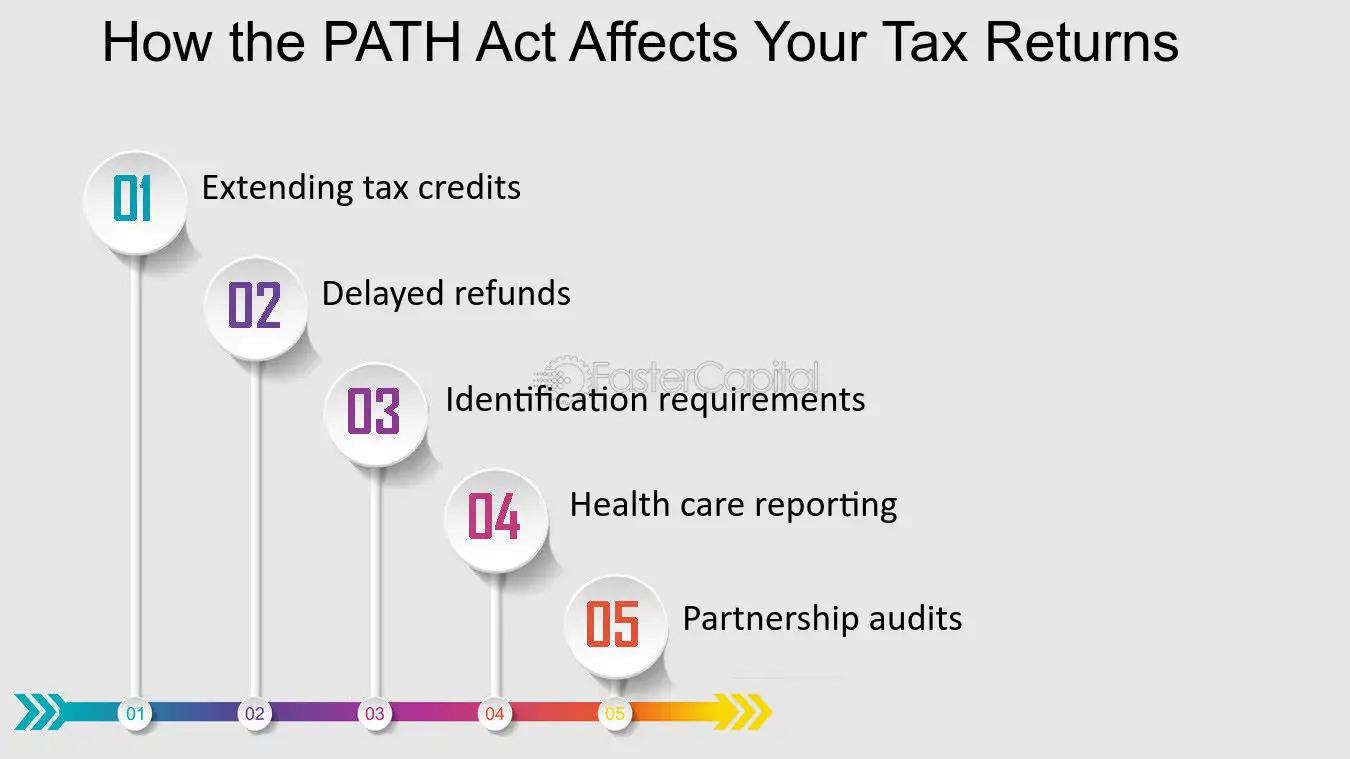
The U.S. tax landscape continues to evolve, and taxpayers must stay informed to maximize benefits and avoid surprises during tax filing. One significant piece of legislation affecting tax refunds is the Protecting Americans from Tax Hikes (PATH) Act. As we approach 2026, the PATH Act continues to play a key role in shaping the processing and timing of certain tax credits, particularly the Child Tax Credit (CTC) and Earned Income Tax Credit (EITC).
Understanding the PATH Act 2026 updates is crucial for both individuals and families claiming these credits. These updates affect refund timing, eligibility verification, and the overall process for receiving tax benefits.
What Is the PATH Act?
The PATH Act, or Protecting Americans from Tax Hikes Act of 2015, was enacted to stabilize tax credits and reduce refund fraud. It introduced permanent provisions for key tax credits like the EITC and CTC while implementing measures to ensure refunds are issued only to eligible taxpayers.
A major feature of the PATH Act is the delay in issuing refunds for returns claiming EITC and CTC until mid-February of each year. This delay allows the IRS to verify income, identity, and eligibility, reducing the risk of fraudulent claims.
Why the PATH Act Matters in 2026
Even in 2026, the PATH Act remains relevant because it dictates refund timing for refundable credits. Taxpayers claiming EITC or CTC must understand that early filing does not guarantee early refunds. These rules protect against fraud but require taxpayers to plan for potential delays.
For many families and low- to moderate-income taxpayers, these credits are a vital part of annual financial planning. Being aware of PATH Act provisions ensures smoother tax filing and avoids surprises in refund expectations.
Updates to the Child Tax Credit (CTC) Under PATH Act 2026
The Child Tax Credit provides families with financial support for children under 17. Under the PATH Act, there are key updates in 2026 that taxpayers should know:
1. Refund Timing
The IRS continues to delay refunds for returns claiming CTC to allow proper verification. Taxpayers can expect refunds to be processed starting mid-February, depending on the accuracy and completeness of their tax return.
2. Eligibility Verification
The PATH Act requires verification of income, dependent information, and filing status. This ensures that families receiving the credit meet all legal requirements.
3. Documentation Requirements
Taxpayers claiming the CTC should maintain accurate records of dependents, social security numbers, and supporting documentation to prevent delays or adjustments to their refund.
4. Impact on Tax Planning
Families should consider the timing of refunds when planning household budgets. Understanding the PATH Act’s influence on CTC processing helps manage expectations and prepare for financial needs early in the year.
Updates to the Earned Income Tax Credit (EITC) Under PATH Act 2026
The Earned Income Tax Credit is designed to support low- and moderate-income workers, providing significant financial relief. The PATH Act updates for 2026 continue to influence EITC processing:
1. Delayed Refunds for Fraud Prevention
Similar to the CTC, the IRS delays EITC-related refunds until mid-February to verify income and prevent fraudulent claims. Taxpayers claiming EITC should file accurately to avoid further delays.
2. Verification of Income and Filing Status
The PATH Act ensures that claimed income matches IRS records. Taxpayers must provide accurate W-2 or 1099 information to qualify for the full credit.
3. Importance of Accurate Reporting
Errors in reported income or dependents can lead to refund holds or adjustments. Maintaining accurate documentation and double-checking tax forms helps ensure smooth processing.
4. Benefits for Taxpayers
Although delays can be frustrating, the EITC remains a powerful financial tool for eligible taxpayers. PATH Act provisions help ensure that the right individuals receive the credit while reducing fraudulent claims.
How the PATH Act Protects Taxpayers
The updates under the PATH Act 2026 serve multiple purposes:
-
Fraud Prevention – By delaying certain refunds, the IRS can verify identities and income, preventing early fraudulent claims.
-
Accuracy and Compliance – Taxpayers are encouraged to file complete and accurate returns, ensuring they meet eligibility requirements.
-
Financial Security – Families and individuals who genuinely qualify for EITC and CTC receive protections that secure their refunds from fraudsters.
While some taxpayers may experience delayed refunds, these protections ultimately benefit legitimate claimants by preventing identity theft and fraudulent financial loss.
Practical Tips for Taxpayers in 2026
To navigate PATH Act 2026 updates effectively, taxpayers should:
-
File Early but Accurately: Submit returns with complete and correct information for dependents, income, and filing status.
-
Keep Documentation Ready: Maintain W-2s, 1099s, and dependent documentation to respond to any IRS verification requests.
-
Plan for Refund Timing: Understand that EITC and CTC refunds will not be issued before mid-February, even for early filers.
-
Use IRS Tools: Check refund status using the IRS “Where’s My Refund?” tool for up-to-date processing information.
-
Seek Professional Help: Tax professionals can help maximize credits and ensure compliance with PATH Act provisions.
The Long-Term Impact of PATH Act Updates
The PATH Act ensures that tax credits like EITC and CTC remain available to eligible taxpayers while improving the security and integrity of the refund process. By making these credits permanent and implementing verification measures, the law strengthens the overall tax system and reduces the risk of financial loss due to fraud.
For 2026, the updates continue to guide taxpayers and tax professionals in filing accurate returns, understanding refund timing, and maintaining compliance. Families claiming CTC and EITC can benefit from consistent rules and protections, making financial planning more predictable.
Conclusion
The PATH Act 2026 updates have a significant impact on both the Child Tax Credit and Earned Income Tax Credit. Taxpayers must be aware of refund delays, verification requirements, and documentation needs to ensure smooth processing.
While mid-February refund processing may require some planning, the protections offered by the PATH Act help prevent fraud and secure refunds for eligible taxpayers. By understanding the PATH Act 2026 provisions and following best practices, families and individuals can maximize their tax benefits, maintain compliance, and navigate the U.S. tax system with confidence.
Being informed about the PATH Act is not just about understanding delays—it’s about ensuring accuracy, protecting your financial security, and making the most of the tax credits available to you.

 English
 Arabic
 French
 Portuguese
 Deutsch
 Turkish
 Dutch
Dutch
 Italiano
 Russian
 Romaian
 Portuguese (Brazil)
 Greek
Greek