
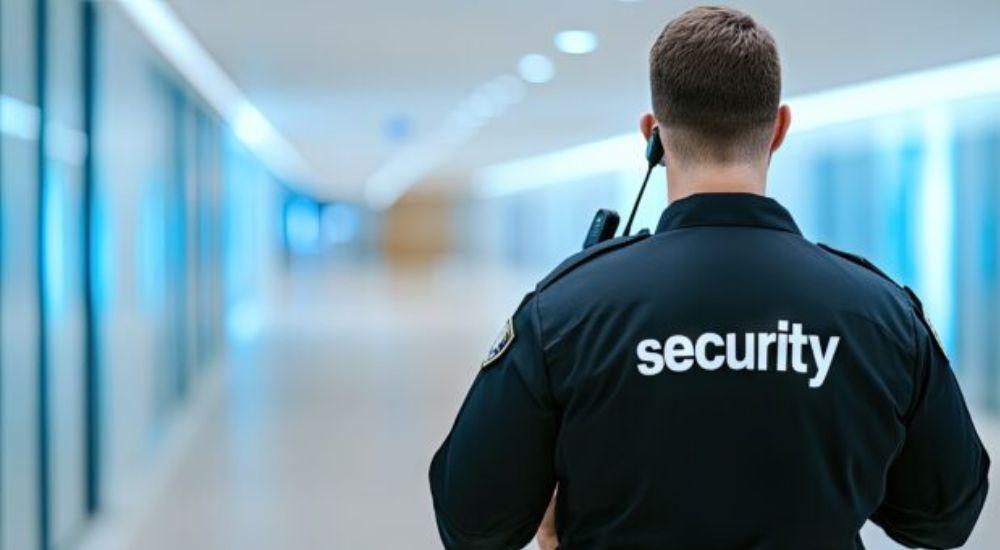
In today’s fast-changing corporate environment, workplace security is no longer just about standing at a gate or checking IDs. Modern offices are complex spaces where employees, clients, technology systems, and sensitive data all exist together. Because of this, the role of an office security guard has evolved into a highly responsible and multi-functional position.
From ensuring physical safety to supporting operational efficiency, security guards are now an essential part of corporate office infrastructure. Their duties extend beyond traditional guarding tasks and include surveillance, emergency response, customer service, and risk prevention.
This blog explores the major roles and responsibilities of office security guards in modern corporate offices and why their presence is crucial for business continuity and workplace safety.
The Modern Importance of Office Security Guards
Corporate office security today faces a wide range of security challenges, including unauthorized access, data protection concerns, workplace safety issues, and emergency situations. As a result, security guards are no longer just passive observers they are active protectors and first responders.
A trained office security guard contributes to:
- Preventing unauthorized entry
- Ensuring employee safety
- Managing emergencies
- Supporting office operations
- Maintaining discipline and order
Their presence builds a secure environment where employees can focus on productivity without fear or distraction.
Access Control and Entry Management
One of the primary responsibilities of office security guards is managing access to the building. This includes monitoring everyone who enters and exits the premises.
Key duties include:
- Checking employee identification cards
- Verifying visitor credentials
- Issuing visitor passes
- Maintaining entry and exit logs
- Restricting access to sensitive areas
By carefully controlling access, security guards help prevent security breaches, theft, and unauthorized activities. This is especially important in corporate environments where confidential data and valuable equipment are present.
Surveillance and Monitoring Systems
Modern corporate offices rely heavily on surveillance technology, and security guards play a key role in managing these systems.
They are responsible for:
- Monitoring CCTV camera feeds
- Observing live security footage
- Identifying suspicious behavior
- Responding to alarm triggers
- Reporting unusual activities
A well-trained security guard can quickly detect potential threats and take immediate action before situations escalate. This proactive monitoring helps maintain continuous workplace safety.
Patrol Duties and Physical Security Checks
Regular patrolling is another important duty of office security personnel. Guards move through different areas of the office to ensure everything is secure and in order.
Their patrols typically cover:
- Office floors and workstations
- Parking areas
- Entry and exit points
- Emergency exits
- Restricted zones and server rooms
These routine checks help identify risks such as unlocked doors, fire hazards, or unauthorized access. It also ensures that safety protocols are being followed throughout the building
Emergency Response and Crisis Management
In any corporate environment, emergencies can happen without warning. Whether it is a fire, medical issue, or security threat, office security guards are trained to respond immediately.
Their responsibilities during emergencies include:
- Assisting with building evacuation
- Guiding employees to safe zones
- Providing basic first aid
- Coordinating with emergency services
- Managing panic and crowd control
A quick and calm response from security staff can significantly reduce damage and ensure the safety of everyone in the office.
Workplace Safety and Risk Prevention
Beyond reacting to incidents, office security guards also play a preventive role in maintaining workplace safety. They constantly observe their surroundings to identify risks before they become serious problems.
This includes:
- Reporting maintenance issues
- Ensuring fire safety equipment is functional
- Monitoring workplace behavior
- Enforcing safety regulations
- Preventing unsafe practices
By maintaining vigilance, security guards help create a safer and more organized working environment.
Asset Protection and Theft Prevention
Corporate offices contain valuable assets such as laptops, servers, documents, and other equipment. Security guards are responsible for protecting these resources from theft or damage.
They help by:
- Monitoring high-value areas
- Preventing unauthorized removal of items
- Conducting bag checks when necessary
- Investigating suspicious activities
- Enforcing security policies
Their presence acts as a strong deterrent against internal and external theft.
Front Desk and Visitor Assistance
In many modern offices, security guards also support reception and front desk operations. This improves both security and customer service.
Their duties often include:
- Welcoming visitors professionally
- Guiding guests to their destinations
- Managing courier and delivery services
- Answering basic inquiries
- Maintaining visitor records
This dual role helps create a positive first impression while maintaining strict security control.
Conflict Resolution and Behavior Management
Workplace conflicts or disturbances can sometimes arise in corporate settings. Security guards are trained to handle such situations calmly and professionally.
They are responsible for:
- De-escalating conflicts
- Managing aggressive behavior
- Ensuring office discipline
- Reporting incidents to management
- Preventing disruption to work activities
Their ability to handle difficult situations helps maintain a peaceful and productive work environment.
Support for Cyber and Physical Security Integration
Although their primary focus is physical security, modern office security guards also support cybersecurity efforts indirectly.
This includes:
- Restricting access to server rooms
- Monitoring unauthorized device usage
- Reporting suspicious digital activity
- Supporting IT security protocols
This integration of physical and digital security helps protect both infrastructure and sensitive corporate data.
Communication and Reporting Responsibilities
Effective communication is a critical skill for office security guards. They must interact with employees, management, and visitors daily.
Their communication responsibilities include:
- Reporting incidents accurately
- Providing clear instructions during emergencies
- Coordinating with law enforcement or emergency teams
- Maintaining security logs and reports
Good communication ensures smooth coordination and quick decision-making during critical situations.
Importance of Technology in Modern Security Roles
Technology has transformed how office security guards perform their duties. They now rely on advanced tools such as the following:
- Digital surveillance systems
- Access control software
- Mobile reporting applications
- Alarm monitoring systems
These technologies enhance accuracy, improve response time, and make security operations more efficient.
Conclusion
The role of an office security guard in modern corporate offices has become more advanced, responsible, and essential than ever before. They are no longer just gatekeepers they are trained professionals who manage access control, monitor surveillance systems, handle emergencies, and support overall workplace safety.
In today’s corporate world, where risks are constantly evolving, security guards play a vital role in ensuring smooth business operations. Their combination of vigilance, communication, and technical skills makes them a key part of any successful organization.
Investing in professional office security is not just about protection; it is about building a safe, stable, and productive working environment where businesses can grow confidently.

 English
 Arabic
 Spanish
 Portuguese
 Deutsch
 Turkish
 Dutch
Dutch
 Italiano
 Russian
 Romaian
 Portuguese (Brazil)
 Greek
Greek