
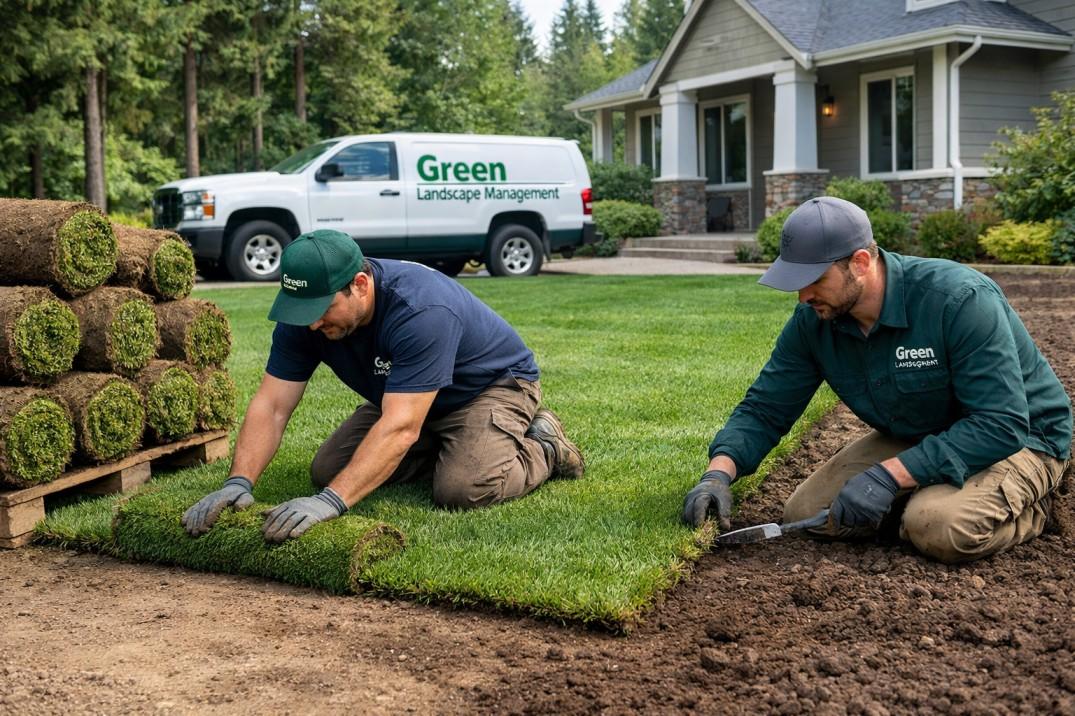
If you've spent a weekend pulling dandelions only to see them back a week later, you already know how frustrating lawn weeds can be. In Bellingham, WA, the Pacific Northwest climate cool, wet winters and mild summers creates near-perfect conditions for weeds to thrive. They don't take breaks, and honestly, a quick pull here and there rarely solves the problem for long.
This guide covers what actually works for weed control in Bellingham, why local conditions matter more than most homeowners realize, and how a structured approach keeps your lawn looking clean season after season.
Why Weeds Are Such a Problem in Bellingham, WA
Bellingham's climate is genuinely beautiful but that same moisture that keeps everything green also feeds the weeds. From creeping buttercup to clover, oxalis, and moss, Whatcom County lawns deal with a wide variety of invasive plants that thrive in cool, damp soil.
The longer a weed establishes itself, the harder it becomes to remove. Annual weeds spread through seeds. Perennials, like dandelions, send roots deep enough that surface-level treatment barely touches them. Many homeowners in Ferndale and Lynden deal with the same issues; it's not a sign of neglect, it's just the reality of gardening in this region.
Understanding what you're dealing with is the first step. A treatment plan that works in Southern California won't translate well here. Weed control in Washington requires products and timing that match Pacific Northwest soil behavior and seasonal rainfall patterns.
The Foundation: Healthy Turf Is Your Best Defense
Here's something most people overlook a thick, healthy lawn is one of the most effective weed barriers there is. When grass is dense and well-rooted, there's simply less room for weeds to take hold. Bare patches, thin turf, and compacted soil are open invitations.
This is why lawn fertilization in Bellingham matters just as much as herbicide applications. Feeding your grass the right nutrients at the right time builds the kind of turf that naturally crowds out competition. Nitrogen, phosphorus, and potassium all play different roles, and getting that balance right depends on your soil type and the time of year.
A soil test can tell you a lot. In Bellingham, soils tend to be on the acidic side due to the high rainfall. That acidity can limit how well your grass absorbs nutrients, which weakens the turf and weakened turf means more weeds. Sometimes a lime application makes more of a difference than any herbicide.
Pre-Emergent vs. Post-Emergent: What's the Difference?
This is one of the most important things to understand about weed management.
Pre-emergent herbicides work by preventing weed seeds from germinating. You apply them before weeds appear typically in early spring and again in fall. Timing is everything here. Apply too late and the weeds are already up; you've missed the window. In Bellingham, that spring window usually opens in late February to early March depending on the year.
Post-emergent herbicides are used on weeds that are already growing. These can be selective (targeting specific weed types without harming grass) or non-selective (killing everything they touch). Selective post-emergents are usually the right choice for established lawns.
Knowing which approach to use and when is where a lot of DIY weed control goes wrong. Using a post-emergent when you need a pre-emergent wastes time and money. Using the wrong product can damage your lawn more than the weeds did.
A Seasonal Weed Control Timeline for Bellingham Lawns
Weed management isn't a one-time event. It's a seasonal rhythm. Here's a general framework that fits Bellingham's climate:
Late Winter / Early Spring (February–March) Apply pre-emergent herbicide before soil temperatures climb above 50°F. This is your biggest opportunity to stop summer annual weeds before they emerge. Start fertilization to wake up the lawn after winter.
Spring (April–May) Spot-treat any broadleaf weeds that pushed through. Mow regularly at the right height — cutting too short stresses grass and opens the door for weeds. Continue fertilization if needed.
Summer (June–August) Maintain consistent mowing and watering. Drought-stressed grass thins out fast. Spot-treat as needed but avoid heavy herbicide applications during heat.
Fall (September–November) This is actually one of the most important weed control windows. A fall pre-emergent targets winter annual weeds. Fall fertilization strengthens root systems going into the cold months, which means a stronger, denser lawn in spring.
Winter (December–January) Minimal active treatment, but keep up with any visible moss or persistent weeds. Evaluate the lawn's condition and plan for the coming season.
Common Lawn Weeds in the Bellingham Area
A few of the most frequent offenders local homeowners deal with:
- Dandelions — Deep taproots make them hard to remove by hand. Selective broadleaf herbicides work well.
- Creeping Buttercup — Very common in wet, poorly drained areas. Improves with better drainage and targeted treatment.
- Oxalis (Sourgrass) — Spreads aggressively through bulbils in the soil. Requires consistent, repeated treatment.
- Moss — Not a weed technically, but a sign of compaction, shade, or acidity. Treat the cause, not just the symptom.
- Clover — Outcompetes grass in low-nitrogen soil. Often disappears with a good fertilization program.
Should You DIY or Hire a Professional?
Plenty of homeowners in Bellingham manage their own weed control and do a decent job. But there's a real difference between managing weeds and actually solving the problem.
Professional fertilization and weed control services use commercial-grade products that aren't available off the shelf, and more importantly, they apply them at the right rates and the right times. A licensed technician understands the local weed pressure, soil conditions, and seasonal patterns specific to Whatcom County.
It also adds up faster than people expect when you calculate the cost of products, equipment, time, and honest truth the mistakes that come with the learning curve. For many homeowners, handing this off is the smarter call.
According to the Washington State Department of Agriculture, pesticide applications must follow label directions by law, and certain products require a licensed applicator. It's worth knowing the rules before you start spraying.
Take the Guesswork Out of Weed Control
Managing weeds in a Pacific Northwest lawn isn't complicated but it does require consistency, the right products, and timing that matches what's happening in the soil, not just on the calendar. If you've been chasing the same weeds season after season without getting ahead of them, a structured program makes all the difference.
At Green Landscape Management, we work with homeowners and commercial properties across Bellingham, Ferndale, and Lynden to build lawn care programs that actually hold up. From pre-emergent applications timed to your specific lawn to fertilization plans that build long-term turf health, we handle it so you don't have to.
Give us a call at 360-927-0011 or send an email to info@greenlandscapemgmt.com to set up a free, no-obligation consultation. We'll take a look at your lawn, talk through what's going on, and put together a plan that fits your property and your budget. No pressure, no guesswork just a cleaner, greener yard.
FAQs: Weed Control in Bellingham, WA
When is the best time to apply weed control in Bellingham?
Early spring typically late February to mid-March is the most critical window for pre-emergent herbicide. This stops summer annual weeds before they germinate. Fall is the second key window, targeting winter annual weeds and strengthening turf before the cold season. Timing varies slightly year to year based on soil temperatures.
Can I apply weed killer and fertilizer at the same time?
Sometimes, yes. Combination products called "weed and feed" do both in one application. However, they're not always the right fit using them at the wrong time or on the wrong grass type can cause damage. A targeted approach using separate products is usually more precise and effective.
Why do my weeds keep coming back even after treatment?
Usually because the underlying cause hasn't been addressed. Thin turf, compacted soil, poor drainage, or low fertility all create the conditions weeds need. Herbicides treat the symptom. Improving soil health, fertilizing regularly, and maintaining proper mowing height treats the cause.
Is weed control in Washington safe for kids and pets?
Most professional-grade herbicides are safe once they've dried typically within a few hours. Always follow the label guidance, or ask your lawn care provider for re-entry times. Organic and low-toxicity options are available if that's a priority for your household.
How many treatments does it take to get a weed-free lawn?
There's no single answer; it depends on how established the weed pressure is. A badly infested lawn may take a full season of consistent treatment to show significant improvement. Most lawns on a regular program see noticeable results within the first few months.
Do I need to aerate before weed control treatments?
Aeration can actually improve herbicide uptake by loosening compacted soil. It's often done in fall alongside fertilization. Just be aware that aerating after a pre-emergent application can break the chemical barrier it creates, reducing effectiveness.

 Arabic
 French
 Spanish
 Portuguese
 Deutsch
 Turkish
 Dutch
Dutch
 Italiano
 Russian
 Romaian
 Portuguese (Brazil)
 Greek
Greek